Home About Programs Collaborations Resources (Blog + Books) Contact Book Free Consultation

Thyroid Disorder Nutrition Program

Your thyroid is not just a gland. It is the engine of your entire body.

Constant fatigue, weight that will not shift, hair fall, mood swings, feeling cold all the time. These are not just symptoms to manage. They are signs that your thyroid needs nutritional support alongside medical care. The right diet approach makes a profound difference in how you feel every single day.

Hypothyroidism Hyperthyroidism Hashimoto's Weight Management Energy Restoration

Hypothyroidism

Underactive thyroid. Slow metabolism, weight gain, fatigue, cold sensitivity, hair loss, constipation.

Hyperthyroidism

Overactive thyroid. Rapid heartbeat, weight loss, anxiety, heat sensitivity, tremors, sleep issues.

Hashimoto's

Autoimmune thyroid condition. Immune system attacks thyroid tissue. Nutritional support is critical.
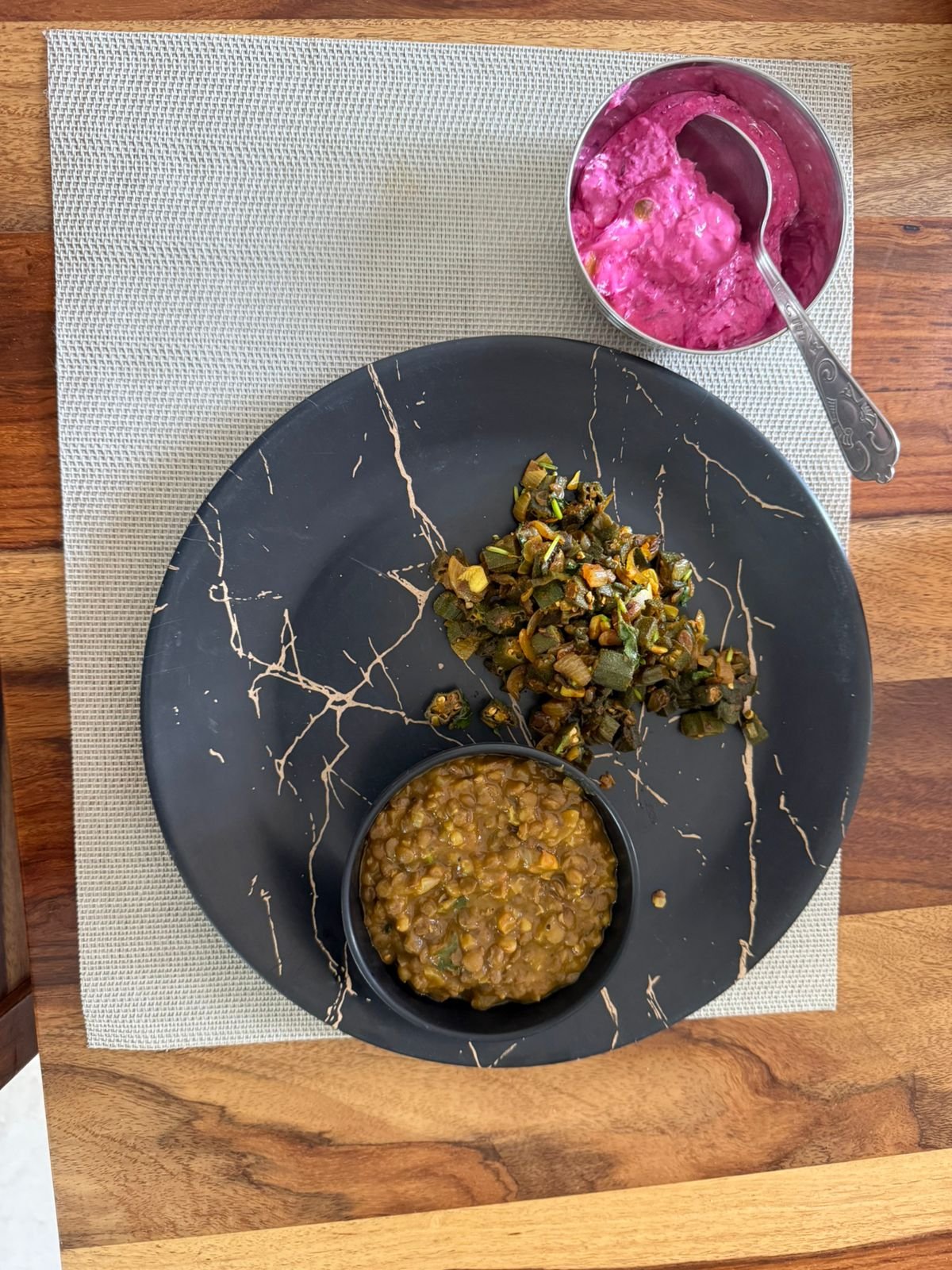
Vrushali Dhanore Thyroid Nutritionist Pune - Anti-inflammatory Indian meal for thyroid health

Recognising Thyroid Symptoms

Signs your thyroid is affecting your quality of life.

Thyroid disorders are among the most underdiagnosed conditions in India, especially in women. Many people attribute these symptoms to stress or ageing without realising that the thyroid may be at the root of it all.

😫

Persistent Fatigue and Low Energy

The thyroid regulates how your body converts food into energy. An underactive thyroid means cells are literally starved of energy, causing deep fatigue that does not improve with rest or sleep.

⚖️

Unexplained Weight Changes

Hypothyroidism slows metabolism causing unexplained weight gain. Hyperthyroidism speeds metabolism causing unexplained weight loss. Both respond to nutritional support that works with thyroid function.

🦱

Hair Thinning and Hair Loss

Thyroid hormones are critical for hair follicle health. Deficiency causes diffuse hair thinning across the scalp. Nutritional support for thyroid function combined with specific hair-supportive nutrients helps reverse this.

🧠

Brain Fog and Poor Concentration

Thyroid hormones are essential for brain function. Low thyroid levels cause mental fogginess, poor memory, slow thinking and difficulty concentrating that significantly affect daily functioning.

❄️

Cold or Heat Sensitivity

Hypothyroidism causes abnormal cold sensitivity. Hyperthyroidism causes excessive heat sensitivity. Both indicate metabolic dysregulation that nutrition can help support alongside medical management.

😴

Sleep Disturbances and Mood Changes

Thyroid imbalance directly affects mood regulation, anxiety levels and sleep quality. Hyperthyroidism often causes anxiety and insomnia while hypothyroidism can cause depression and excessive sleepiness.

The thyroid gland produces hormones that regulate virtually every cell in the body. When it is not functioning optimally, the ripple effects touch everything from your energy and weight to your hair, skin, mood and fertility.

What most people do not realise is that thyroid function is profoundly sensitive to nutritional status. The thyroid requires specific nutrients to produce hormones. The conversion of inactive T4 to active T3 depends on selenium and gut health. Inflammation from poor diet can worsen autoimmune thyroid conditions like Hashimoto's.

At NutriEat, the thyroid program does not work against your medication. It works alongside it. By ensuring your thyroid gets exactly the nutritional support it needs, and by reducing the inflammation and deficiencies that worsen thyroid function, we help your body get the most out of both your medication and your food.

Important: If you have not yet been diagnosed, please consult an endocrinologist or physician first. The NutriEat thyroid program works in collaboration with your medical team to ensure your nutritional and medical care are aligned. Our collaborating physician Dr. Gopal Jaju at Kharadi, Pune also manages thyroid conditions as part of his metabolic medicine practice.

The Nutritional Approach

How nutrition directly supports thyroid function.

Thyroid nutrition is more precise than general healthy eating. Specific nutrients are essential for thyroid hormone production, conversion and function. Getting these right makes a measurable difference.

01

Iodine-Rich Foods for Hormone Production

Iodine is the primary raw material for thyroid hormone synthesis. Without adequate iodine, the thyroid cannot produce enough T3 and T4. The NutriEat thyroid plan ensures optimal iodine intake through dairy, eggs, iodised salt and specific seafood without over-supplementation that can worsen autoimmune thyroid conditions.

02

Selenium for T4 to T3 Conversion

Selenium is essential for the enzyme that converts inactive T4 into the active T3 hormone that your cells actually use. Many people with thyroid issues have adequate T4 but poor conversion, resulting in symptoms despite normal TSH. Selenium through foods like Brazil nuts and eggs directly improves this conversion.

03

Goitrogen Management

Goitrogens, found in raw cruciferous vegetables and soy, can interfere with thyroid function in excess. However, cooking significantly reduces their effect. The NutriEat thyroid program does not eliminate these nutritious foods but manages their preparation, using cooked cruciferous vegetables, and quantity to ensure they support rather than hinder thyroid health.

04

Anti-Inflammatory Diet for Hashimoto's

Hashimoto's is an autoimmune condition where chronic inflammation drives thyroid tissue destruction. An anti-inflammatory dietary approach with omega 3-rich foods, colourful vegetables, turmeric, ginger and reduced processed food intake directly reduces the inflammatory load that worsens Hashimoto's progression.

05

Gut Health and Thyroid Connection

Up to 20 percent of thyroid hormone conversion from T4 to T3 happens in the gut. Poor gut health directly impairs thyroid function. The NutriEat thyroid program includes gut-supportive foods, probiotics through Indian fermented foods, and strategies to improve gut microbiome balance that directly support thyroid health.

06

Correcting Nutritional Deficiencies

People with thyroid disorders commonly have deficiencies in Vitamin D, Iron, B12, Zinc and Magnesium. These deficiencies worsen fatigue, hair loss, mood issues and thyroid function itself. The NutriEat program identifies and addresses all key deficiencies through food and supplementation guidance.

Your Kitchen is Your Medicine

Indian foods that actively support your thyroid.

These are not exotic ingredients. They are foods your kitchen already has. Used correctly and consistently, they provide the nutrients your thyroid depends on every day.

🌰
Selenium

Brazil Nuts

Brazil nuts are the single richest dietary source of selenium, containing up to 95 micrograms per nut. Even one Brazil nut daily provides more than the recommended daily selenium requirement for thyroid hormone conversion.

🧂
Iodine

Iodised Salt

Iodised salt is the most accessible and consistent source of iodine in the Indian diet, providing the essential raw material for thyroid hormone synthesis. Using iodised salt in daily cooking ensures your thyroid has the iodine it needs.

🌿
Anti-Inflammatory

Haldi and Ginger

Curcumin in turmeric and gingerols in ginger have potent anti-inflammatory effects that are particularly important for Hashimoto's and autoimmune thyroid conditions. Daily use in cooking provides consistent anti-inflammatory protection for thyroid tissue.

🎃
Zinc

Pumpkin Seeds

Kaddu ke beej are one of the richest plant sources of zinc. Zinc is essential for thyroid hormone synthesis and immune function. A small handful daily as a snack provides significant thyroid-supportive mineral support.

🧄
Anti-Inflammatory

Garlic

Garlic contains allicin and anti-inflammatory compounds that support thyroid function and immune regulation. Regular garlic in cooking provides consistent thyroid-supportive benefit alongside its well-known cardiovascular protective effects.

🌻
Vitamin E and Healthy Fat

Sunflower Seeds

Surajmukhi ke beej provide Vitamin E which has antioxidant properties important for reducing oxidative stress in thyroid tissue. Easy to add to salads, curd or as a snack for daily thyroid support.

🥬
Iron and Folate

Cooked Leafy Greens

Cooked palak, methi and moringa are rich in iron which is essential for thyroid hormone synthesis. Cooking significantly reduces goitrogenic compounds making them safe and beneficial for thyroid health.

🌾
Fibre and Low Glycemic

Millets

For people with thyroid disorders managing weight, millets provide low glycemic, high fibre alternatives to wheat that support blood sugar stability and sustained energy. Jowar, bajra and ragi rotis are excellent thyroid-friendly staples.

Managing Your Diet

What to be mindful of and what to focus on.

Thyroid nutrition is about balance and precision, not elimination. Understanding which foods need careful management and which actively support your thyroid helps you make confident, informed choices every day.

Be Mindful Of These

Raw Cruciferous Vegetables in Large AmountsRaw cabbage, cauliflower, broccoli and kale contain goitrogens that can interfere with thyroid iodine uptake when eaten in very large quantities raw. Cooking significantly reduces this effect. The NutriEat thyroid program uses cooked cruciferous vegetables to ensure safety.
Soy Products in ExcessSoy contains isoflavones that can inhibit thyroid hormone synthesis and absorption when consumed in large amounts. Tofu, soy milk and edamame in moderate quantities with meals are generally acceptable but large amounts regularly may be problematic.
Thyroid Medication Timing with FoodThyroid medications like Levothyroxine must be taken on an empty stomach, 30 to 60 minutes before food. Calcium-rich foods, iron supplements and coffee immediately after medication significantly reduce its absorption and effectiveness.
Highly Processed and Ultra-Processed FoodsProcessed foods promote inflammation and gut dysbiosis, both of which worsen thyroid function especially in Hashimoto's. Reducing packaged foods, refined flour products and processed vegetable oils benefits thyroid health significantly.

Focus On These Daily

Selenium-Rich Foods Every DayBrazil nuts and eggs. Even one Brazil nut daily provides the recommended daily selenium requirement. Selenium is the single most important mineral for thyroid hormone conversion from T4 to active T3.
Adequate Iodine Through Natural SourcesIodised salt in cooking, dairy products, eggs and seafood provide iodine for thyroid hormone production. Avoid iodine supplements without medical guidance as excess iodine can worsen autoimmune thyroid conditions.
Gut-Supportive Fermented Indian FoodsHomemade curd, buttermilk, idli, dosa and kanji support gut microbiome health which directly influences thyroid hormone conversion. Making these a daily dietary habit improves thyroid function over time.
Anti-Inflammatory Spices in Every MealHaldi, ginger, cumin, coriander and black pepper in your daily cooking reduce the chronic inflammation that damages thyroid tissue in autoimmune conditions. These are your most accessible daily thyroid medicine.

What the Program Includes

Everything that goes into your Thyroid Nutrition program.

The NutriEat Thyroid program is not a standard clean eating plan. It is a clinically informed, precision nutritional approach built around your specific thyroid condition, your current medication, your blood reports, your Indian food habits and your goals.

Personalised Nutrition AssessmentYour thyroid type (hypo, hyper or Hashimoto's), TSH, T3, T4, antibody levels, current medication, deficiency profile and food habits are reviewed in detail before any plan is created.
Thyroid-Specific Indian Meal PlanA detailed meal plan using Indian foods that provide the precise nutrients your thyroid needs, in the right amounts, with goitrogenic foods properly managed through cooking methods and portion guidance.
Iodine and Selenium OptimisationPrecise guidance on food sources and quantities for the two most critical thyroid nutrients, ensuring optimal levels without the risk of excess that can worsen autoimmune conditions.
Supplementation GuidanceEvidence based recommendations on whether and which supplements may be beneficial for your specific thyroid condition, always in coordination with your treating physician.
Anti-Inflammatory Food ProtocolSpecific dietary strategies to reduce chronic inflammation, especially important for Hashimoto's and autoimmune thyroid conditions where inflammation drives disease progression.
Gut Health RestorationProbiotic-rich Indian foods, gut-healing dietary strategies and specific guidance on improving the gut microbiome health that directly supports thyroid hormone conversion.
Weight Management StrategyFor hypothyroid clients struggling with metabolic slowdown, specific meal timing, metabolism-supportive foods and activity guidance to achieve gradual, sustainable weight reduction.
Ongoing Support and MonitoringRegular progress tracking with plan revisions based on blood report changes, symptom improvement and weight changes throughout the program duration.

What You Can Expect

Restored Energy Levels As nutritional deficiencies are corrected and thyroid function is supported, fatigue reduces noticeably within the first 4 to 8 weeks.

⚖️

Better Weight Management Gradual, sustainable weight improvement as metabolism is supported through thyroid-optimising nutrition and activity guidance.

🦱

Reduced Hair Loss Targeted nutritional support for iron, zinc, selenium and biotin addresses the deficiencies driving thyroid-related hair thinning.

🧠

Improved Mental Clarity Brain fog and poor concentration improve as thyroid hormone conversion is optimised and nutritional deficiencies corrected.

😊

Better Mood Stability Thyroid-supportive nutrition combined with gut health improvement has a direct positive impact on mood, anxiety and emotional wellbeing.

📉

Improved Thyroid Markers Many clients see improvement in TSH, T3 and T4 levels over the program duration, sometimes allowing medication adjustment in consultation with their doctor.

Program Plans

Choose the level of support that is right for you.

Every plan includes a personalised nutrition assessment and customised thyroid-specific meal plan built around your blood reports and Indian food preferences.

Essential Needs

Starter Program

1 Month

Program Starter Counselling Session
Personalised Thyroid Nutrition Plan
Weekly Q&A Session Access
Meal Check
Recipe Guidance
Follow Up Sessions
Book Free Consultation

Premium Transformation

Complete Program

6 Months

Program Starter Counselling Session
Personalised Thyroid Nutrition Plan
Weekly Q&A Session Access
Meal Check and Recipe Guidance
6 Follow Up Sessions and Revised Plans
Community and Specialised Sessions
Book Free Consultation

Book a free consultation to discuss which plan suits your specific thyroid condition and goals. No obligation, no pressure.

Clearing the Confusion

Common thyroid myths that are affecting your management.

These are the beliefs Vrushali most commonly needs to address when clients come in after years of incorrect information about thyroid nutrition.

Myth

I cannot eat cabbage, cauliflower or broccoli if I have hypothyroidism.

Truth

Cooking cruciferous vegetables deactivates most of their goitrogenic compounds. You can eat cooked sabzi of cauliflower, cabbage and broccoli as part of a thyroid-friendly diet. The concern is with very large amounts of raw cruciferous vegetables consumed regularly, which is uncommon in a typical Indian diet anyway.

Myth

I have hypothyroidism so I can never lose weight no matter what I do.

Truth

Hypothyroidism makes weight loss harder by slowing metabolism, but it absolutely does not make it impossible. With the right thyroid-supportive nutrition, strategic meal timing, appropriate physical activity and optimised thyroid hormone levels through medication and nutrition, many NutriEat clients with hypothyroidism have achieved significant sustainable weight loss.

Myth

More iodine is always better for thyroid health.

Truth

Excess iodine can actually worsen autoimmune thyroid conditions like Hashimoto's and trigger thyroiditis. The goal is optimal iodine, not maximum iodine. The NutriEat thyroid program provides precise guidance on iodine intake from food sources appropriate to your specific thyroid condition, avoiding both deficiency and excess.

Myth

Once my TSH is normal on medication, nutrition does not matter anymore.

Truth

Normal TSH on medication means your medication dose is calibrated, not that your thyroid is fully supported. Nutritional deficiencies in selenium, iron, zinc and Vitamin D can persist and continue causing symptoms like fatigue, hair loss and brain fog even when TSH is normal. Nutrition remains essential throughout thyroid management.

Questions and Answers

What people with thyroid disorders most often ask before they start.

Can hypothyroidism be managed through nutrition alone without medication?+

For most people with clinical hypothyroidism, thyroid medication is medically necessary and should not be stopped without your doctor's guidance. However nutrition plays a critical supporting role that determines how well your medication works, how well your thyroid converts T4 to active T3, and how you feel day to day. The NutriEat thyroid program maximises the effectiveness of your medication through targeted nutritional support.

What is the best diet for Hashimoto's thyroiditis?+

Hashimoto's benefits most from an anti-inflammatory dietary approach that reduces the immune system overactivation driving thyroid tissue damage. This includes abundant vegetables, fruits, omega 3-rich foods, selenium-rich foods like Brazil nuts, gut-supportive fermented foods, and avoidance of highly processed foods. Gluten elimination may benefit some Hashimoto's clients but is not universally necessary and is assessed individually at NutriEat.

How long does it take to feel better with thyroid nutrition support?+

Most clients begin noticing improvements in energy and mood within 4 to 6 weeks of starting a thyroid-specific nutrition program. Hair loss reduction typically becomes noticeable within 6 to 10 weeks. Weight changes are more gradual, typically 0.5 to 1.5 kilograms per month depending on the degree of metabolic slowdown. The 6-month Premium program allows the most complete and lasting thyroid nutritional transformation.

Can I eat rice, roti and regular Indian meals with thyroid disorder?+

Yes. The NutriEat thyroid program is built around Indian food. Rice, roti, dal, sabzi, curd and all regular Indian meals are part of the plan. The focus is on specific preparation methods, meal timing, food combinations and ensuring key thyroid-supportive nutrients are included consistently, not on eliminating the foods you love.

When should I take my thyroid medication in relation to food?+

Levothyroxine and most thyroid medications should be taken on an empty stomach, 30 to 60 minutes before breakfast. Calcium, iron, dairy products, coffee and certain fibre-rich foods immediately after medication reduce its absorption significantly. The NutriEat thyroid program includes specific meal timing guidance that optimises medication absorption as part of the nutritional plan.

Can I consult online if I am not in Pune?+

Yes. NutriEat with Vrushali offers online thyroid nutrition consultations for clients across India and internationally including the UK, UAE and USA. All consultations happen via WhatsApp or video call. Many thyroid clients from the UK and UAE have seen significant improvement through online programs. The quality of personalised care is identical to in-person sessions.

Take the First Step

Your thyroid deserves more than just medication. Give it the nutrition it needs.

Book a free 15 minute consultation with Vrushali. Bring your thyroid reports if you have them. Let us look at what your body needs and build a plan that makes a real difference to how you feel every day.

Book Free Consultation Send a Message