If you have PCOS and you eat Indian food, you have probably been told conflicting things. Some say avoid rice completely. Others say give up roti. Some insist dairy causes hormonal chaos. It is confusing, and most advice is not built around the Indian kitchen. This guide changes that. Here is exactly what Indian foods help PCOS, which ones worsen it, and how to build a practical PCOS-friendly Indian diet without giving up the foods that define your meals.
Why Indian Food Is Actually Excellent for PCOS — When You Know What to Choose
PCOS is driven by insulin resistance in about 70 percent of cases, regardless of body weight. Even lean women with PCOS often have insulin resistance at the cellular level. This matters because insulin resistance drives the ovaries to produce excess androgens, which causes the irregular cycles, acne, hair fall and weight gain that make PCOS so difficult.
The good news: Indian cuisine is inherently rich in exactly the kinds of foods that improve insulin sensitivity. Lentils, legumes, whole grains, leafy greens, spices like methi, haldi and dalchini — these are not fringe health foods. They are the foundation of Indian cooking. The problem is not Indian food itself. It is the recent shift toward refined grains, sugar, processed foods and the loss of traditional eating patterns that protected Indian women from metabolic conditions for generations.
Key Insight: Managing PCOS through Indian food is not about eliminating Indian meals. It is about going back to how your grandmother cooked — whole ingredients, traditional spice combinations, and eating patterns that naturally support insulin sensitivity and hormonal balance.
Indian Foods That Help PCOS — Build Your Plate Around These
These are the Indian foods with the strongest evidence for improving PCOS symptoms. They work by improving insulin sensitivity, reducing inflammation, supporting ovulation and helping with weight management.
1. Methi (Fenugreek) — The Most Researched Indian Food for PCOS
Methi seeds contain a compound called 4-hydroxyisoleucine that directly improves insulin sensitivity. Multiple studies have shown that soaking methi seeds overnight and drinking the water in the morning, or consuming methi powder before meals, significantly improves fasting blood sugar, reduces testosterone levels and can help restore regular menstrual cycles in women with PCOS. Methi thepla, methi in dal, methi paratha and methi seeds soaked overnight are all effective. One teaspoon of methi seeds soaked in warm water overnight is one of the simplest and most evidence-backed PCOS interventions available in any Indian kitchen.
2. Dal and Whole Lentils — Protein and Fibre for Blood Sugar Stability
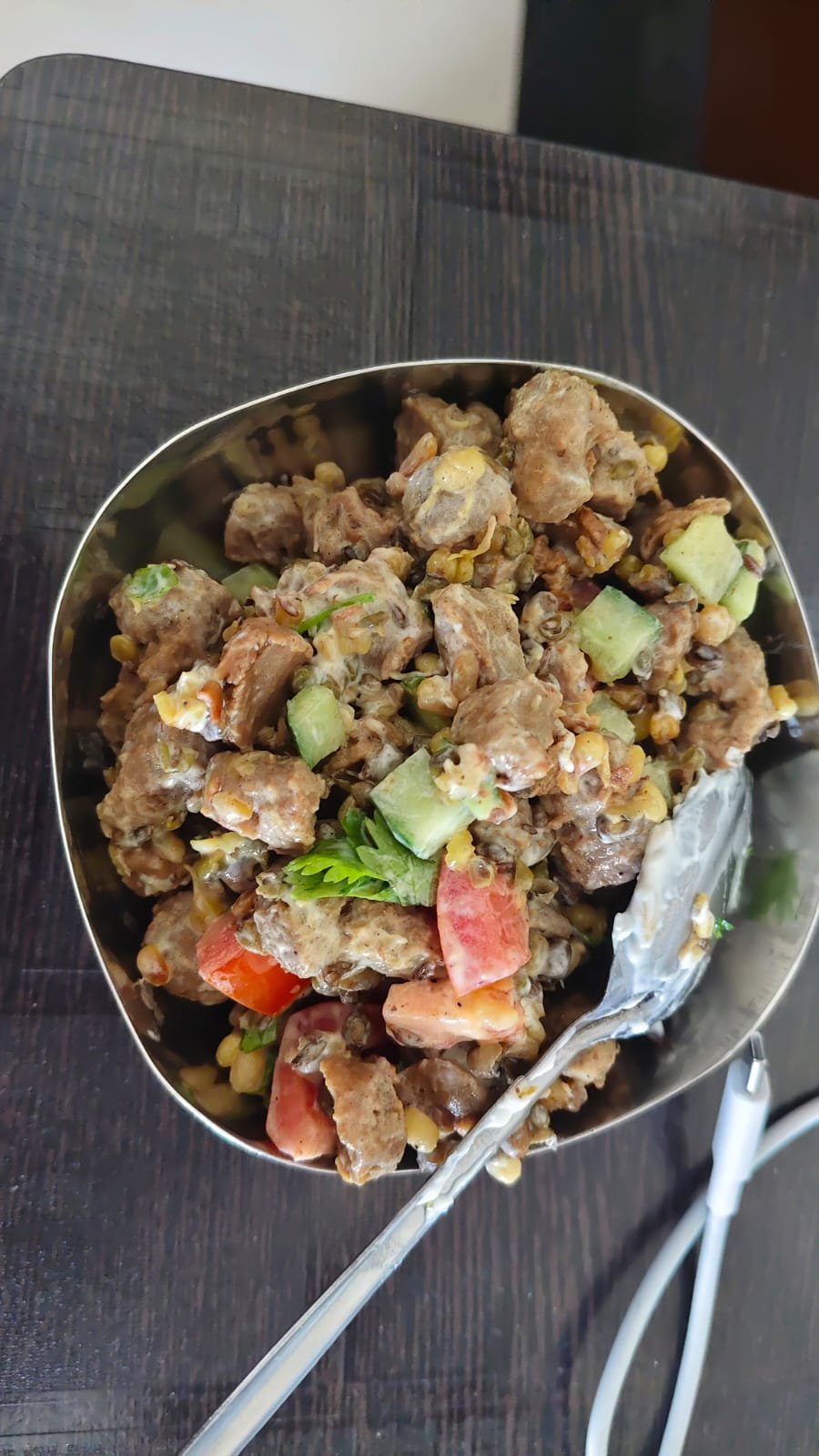
Moong dal, masoor dal, chana dal, rajma and chhole provide the combination of plant protein and fibre that slows glucose absorption after meals. This directly addresses the post-meal insulin spikes that drive PCOS symptoms. Dal consumed with meals significantly lowers the glycemic response to any carbohydrate eaten alongside it. For PCOS, this means your rice or roti will raise your blood sugar much less when eaten with adequate dal than when eaten alone.
3. Leafy Greens — Palak, Methi Leaves, Sarson, Moringa
Dark leafy greens provide folate, iron, magnesium and B vitamins that are commonly deficient in women with PCOS. Magnesium, particularly abundant in palak, improves insulin sensitivity and helps regulate cortisol. Folate supports ovulation quality. These greens also provide inositol precursors — inositol is the most researched supplement for PCOS, and while food cannot provide the concentrated doses used in studies, a diet rich in leafy greens supports the body's natural inositol pathways.
4. Haldi (Turmeric) — Anti-Inflammatory Power in Your Daily Tadka
PCOS is a state of chronic low-grade inflammation, and curcumin in haldi is one of the most potent natural anti-inflammatory compounds available. Daily haldi in dal, sabzi and haldi doodh (turmeric milk) reduces systemic inflammation, supports liver detoxification of excess hormones and improves insulin signalling. The bioavailability of curcumin increases significantly when combined with black pepper and a small amount of fat — which is exactly how it is used in Indian cooking with tadka in oil or ghee.
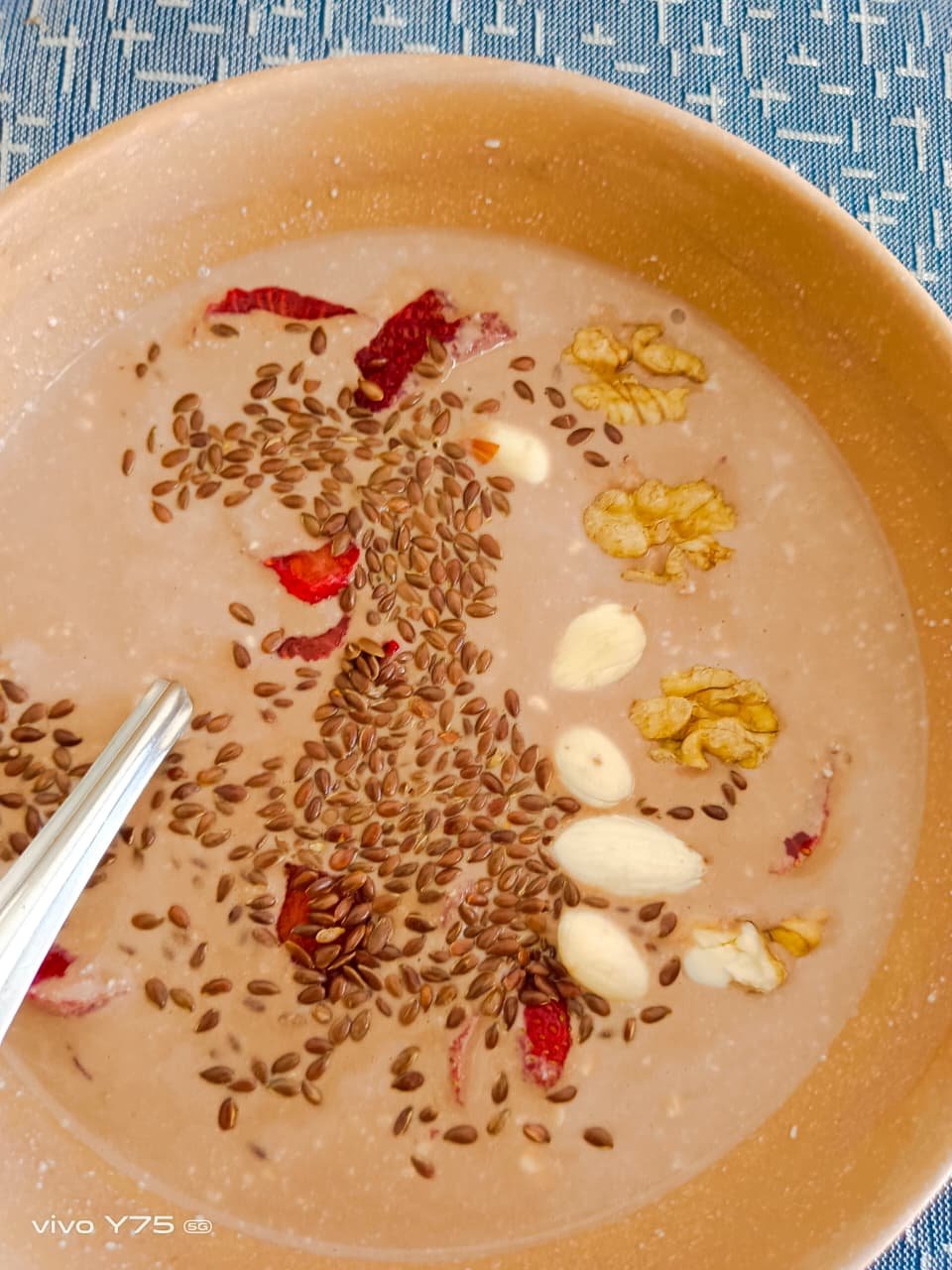
5. Nuts and Seeds — Almonds, Walnuts, Flaxseeds, Pumpkin Seeds
A handful of mixed nuts daily provides healthy fats that stabilise blood sugar between meals, magnesium for insulin sensitivity, zinc for ovulation and hormone production, and omega 3 fatty acids from walnuts and flaxseeds for reducing inflammation. Flaxseeds deserve special mention — 1 to 2 tablespoons of ground flaxseeds daily have been shown to reduce androgen levels and support ovulation in women with PCOS. They also provide lignans that support healthy estrogen metabolism.
6. Ragi (Finger Millet) and Jowar (Sorghum) — The Smart Carbohydrate Choice
These traditional millets have significantly lower glycemic index than wheat and rice. Ragi provides exceptional calcium which is important because women with PCOS have higher long-term risk of bone density loss. Jowar is gluten-free and rich in fibre and polyphenols that support insulin sensitivity. Rotating ragi and jowar rotis instead of only wheat rotis, and using them in porridge form for breakfast, is one of the most practical PCOS dietary changes.
7. Curd and Buttermilk (Chaas) — Fermented Dairy for Gut and Hormone Health
The relationship between dairy and PCOS is complex and individualised, but fermented dairy like curd and chaas is generally well-tolerated and beneficial. The probiotics support gut health, which directly affects hormone metabolism and inflammation levels. The protein helps with satiety, and homemade curd made from whole milk provides Vitamin D and calcium. If you notice acne worsening with dairy, try eliminating it for 2 to 3 weeks and observe. If there is no difference, fermented dairy is a valuable part of a PCOS diet.
Indian Foods That Worsen PCOS — Limit These Significantly
These are the foods that drive insulin spikes, increase inflammation and worsen hormonal symptoms. The goal is not complete elimination but significant reduction and strategic replacement.
1. Refined Flour — Maida in All Its Forms
Maida has a glycemic index higher than sugar and causes a sharp insulin spike that is exactly what PCOS does not need. Naan made from maida, bhatura, kulcha, white bread, biscuits, rusk and bakery items made with maida should be occasional foods, not daily staples. Replace with whole wheat roti, ragi roti, jowar bhakri and besan chilla.
2. White Rice as the Main Grain at Every Meal
White rice, particularly when it is the main component of a meal with minimal dal or vegetables, raises blood sugar rapidly. This does not mean rice must be eliminated entirely — it means portion control, always pairing rice with adequate dal and sabzi, and having rice as part of a balanced plate rather than the centre of it. Brown rice, red rice or millet rice alternatives reduce the glycemic load significantly.
3. Sugary Indian Sweets and Desserts
Jalebi, gulab jamun, rasgulla, barfi, sheera, kheer made with excessive sugar — these combine refined carbohydrates and sugar in exactly the combination that maximises insulin response. The traditional festive sweet consumed occasionally is different from the daily post-dinner sweet habit. For daily sweet cravings, fresh fruit, date-based sweets or small portions of gur (jaggery) based traditional preparations are preferable.
4. Deep-Fried Snacks as Daily Foods
Samosa, pakora, vada, bhajiya, chips and namkeen consumed daily contribute to inflammation through the combination of refined flour, trans fats from repeatedly heated oil and excess sodium. These are occasional foods, not tiffin staples. Roasted chana, makhana, nuts, sprouted moong chaat and fruit chaat are better daily snack options.
5. Sugary Beverages Including Packaged Fruit Juices
Packaged juices, cold drinks, sweetened lassi, sugary chai with multiple spoons of sugar — liquid sugar is absorbed faster than solid food sugar and causes the most rapid insulin spike. Whole fruit is completely different from fruit juice because the fibre slows sugar absorption. If you enjoy juice, eat the whole fruit instead. For chai, reduce sugar gradually until your palate adjusts.
Practical Principle: For every food on the "limit" list, there is a better Indian alternative on the "eat" list. You are not giving up Indian food. You are upgrading it to the version that helps your ovaries rather than stressing them.
A Practical Day of PCOS-Friendly Indian Eating
This is not a rigid diet plan. It is a template showing how the principles above translate into actual Indian meals.
- Early Morning: Soaked methi water (1 tsp methi seeds soaked overnight in warm water). Or warm water with lemon and a pinch of haldi.
- Breakfast: Moong dal chilla with vegetables and green chutney. Or 2 eggs with 1 ragi roti. Or vegetable poha with added peanuts and sprouts.
- Mid-Morning: A handful of almonds and walnuts (6 to 8 almonds, 2 walnuts). Or a small bowl of guava, apple or papaya.
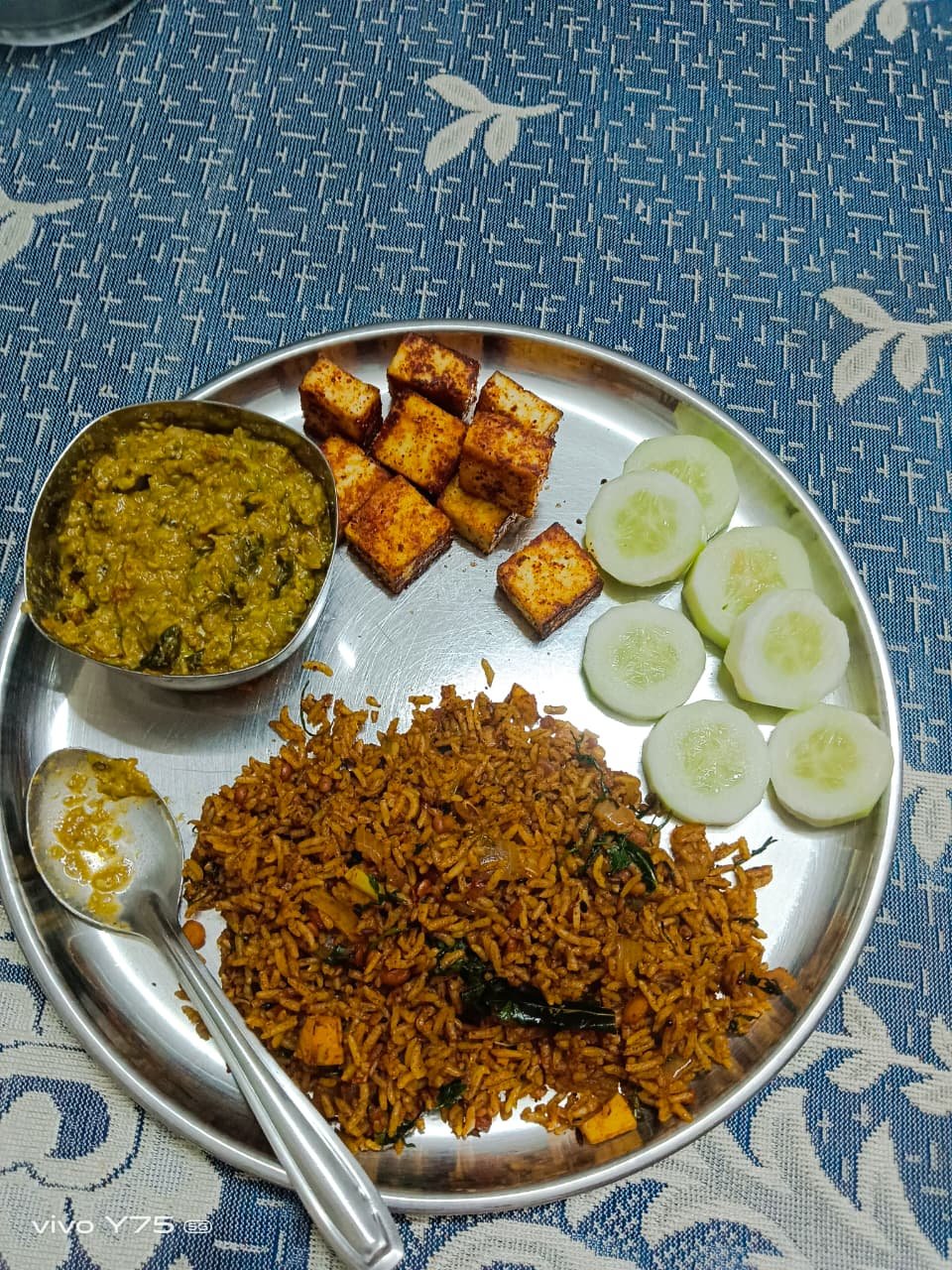
- Lunch: 1 to 2 jowar or whole wheat rotis with a generous portion of dal, 1 bowl of palak or methi sabzi, a bowl of curd or chaas without sugar, and a side of cucumber and tomato kachumber.
- Evening Snack: Roasted makhana with haldi. Or sprouted moong chaat with onion, tomato and lemon. Or a cup of cinnamon tea.
- Dinner: 1 multigrain roti with dal and vegetables. Or a bowl of vegetable dal khichdi with a spoon of ghee. Eat at least 2 hours before sleep.
- Bedtime: A small cup of warm haldi doodh made with minimal jaggery or no sweetener.
The Spices That Make a Real Difference for PCOS
Indian spices are genuinely therapeutic for PCOS. They are not just flavouring but active compounds with measurable effects on insulin, inflammation and hormones.
- Dalchini (Cinnamon): Improves insulin sensitivity. Half a teaspoon daily in tea or sprinkled on fruit.
- Methi (Fenugreek): The most evidence-backed Indian spice for PCOS as discussed above.
- Haldi (Turmeric): Anti-inflammatory with proven benefits for reducing PCOS-related metabolic inflammation.
- Jeera (Cumin): Supports digestion and has blood sugar-lowering effects.
- Ajwain (Carom Seeds): Reduces bloating and digestive discomfort which many women with PCOS experience.
What I Tell Every PCOS Client in Their First Consultation
PCOS is a condition I understand personally, not just professionally. I was diagnosed with PCOS and lived through a year of irregular cycles, unexplained weight changes, acne and the anxiety of not knowing what was happening to my body. It was nutrition that turned things around for me, and it is nutrition — specifically Indian food-based nutrition — that forms the foundation of my PCOS program at NutriEat.
The principles in this article are the starting point. They will help most women with PCOS see improvements. But every woman's PCOS presents differently. Some have insulin resistance as the primary driver, some have inflammation, some have adrenal androgen excess, some have post-pill PCOS. The foods that help and the foods that need adjusting vary based on your specific PCOS subtype, your body weight, your activity level and your other health conditions.
That is where a personalised plan makes the difference between moderate improvement and genuine transformation. Your roti, your dal, your sabzi — the same foods — but timed, portioned and combined in the way your specific body needs.