Home About Programs Collaborations Resources (Blog + Books) Contact Book Free Consultation

PCOS and PCOD Nutrition Program

Your hormones are not broken. They are asking for the right support.

Irregular periods, unexplained weight gain, hair fall, skin changes, fatigue that does not go away. These are not things you simply have to live with. PCOS and PCOD can be managed, and in many cases significantly improved, through personalised nutrition and lifestyle changes.

Irregular Periods Hormonal Imbalance Weight Management Fertility Support Indian Food Based
A personal note from Vrushali

"I lived through PCOS myself for a full year before I understood what it was and what it needed. I know the frustration, the confusion, and the feeling that your own body is working against you. It is not. And I am here to show you that."

Vrushali Dhanore PCOS Nutritionist Pune Healthy Indian Recipes

Recognising PCOS and PCOD

If any of these sound familiar, nutrition can help.

PCOS and PCOD are hormonal conditions affecting millions of women in India. Many women live with these symptoms for years without knowing they are connected to a hormonal imbalance that can be addressed.

📅

Irregular or Absent Periods

Cycles that are unpredictable, very long, very short, or missing entirely. A direct result of hormonal imbalance that nutrition can help regulate.

⚖ïļ

Unexplained Weight Gain

Weight that accumulates especially around the abdomen despite normal eating. Insulin resistance, common in PCOS, is often the underlying cause.

ðŸĶą

Hair Fall and Thinning

Excessive hair loss from the scalp or unwanted hair growth on the face and body. Both are driven by androgen imbalance that responds to nutritional support.

ðŸŠī

Acne and Skin Changes

Persistent acne especially along the jaw and chin, darkening of skin in neck folds or underarms. These are hormonal skin signals.

ðŸ˜Ŧ

Fatigue and Mood Changes

Constant tiredness, brain fog, anxiety or low mood. Hormonal and nutritional deficiencies play a significant role in these symptoms.

ðŸĪ°

Difficulty Conceiving

Irregular ovulation caused by PCOS is one of the most common reasons for fertility challenges. Nutritional support can significantly improve ovulation regularity.

Most women with PCOS spend years being told to lose weight, take the pill, and come back in three months. The connection between what they eat, how they live, and what their hormones are doing is rarely explained clearly.

PCOS is not just a reproductive condition. It is a metabolic condition. It involves insulin resistance, inflammation, and hormonal disruption — all of which respond directly to nutritional and lifestyle intervention.

At NutriEat, the PCOS program does not begin with a meal plan. It begins with understanding your specific hormonal picture, your current eating patterns, your lifestyle, and your goals. The plan that follows is built entirely around you — not a template.

Important: Nutrition works alongside medical care, not instead of it. If you have not yet been diagnosed, please consult a gynaecologist first. If you have been diagnosed, our program works in parallel with your medical team including our collaborating gynaecologist Dr. Ankita Ingale at Chorion Gynae Clinic, Keshav Nagar, Pune.

The Nutritional Approach

How food and lifestyle directly affect your hormones.

PCOS is driven by insulin resistance, chronic inflammation, and hormonal imbalance. All three respond significantly to targeted nutritional intervention.

01

Managing Insulin Resistance

Most women with PCOS have some degree of insulin resistance. High insulin drives the ovaries to produce more androgens, worsening hormonal imbalance. A low glycemic diet using Indian foods like millets, lentils, and vegetables keeps blood sugar stable and reduces this androgen excess naturally.

02

Reducing Chronic Inflammation

PCOS is associated with chronic low grade inflammation. Anti-inflammatory foods like turmeric, flaxseeds, leafy greens, and omega rich foods reduce this inflammation directly, improving ovarian function and hormonal signalling over time.

03

Supporting Hormone Balancing Nutrients

Specific nutrients play critical roles in PCOS management. Inositol improves insulin sensitivity. Zinc supports androgen metabolism. Magnesium reduces cortisol. Vitamin D supports ovarian function. All of these can be optimised through food and targeted supplementation guidance.

04

Addressing Nutritional Deficiencies

Women with PCOS commonly have deficiencies in Vitamin D, Iron, B12, and Folate. These deficiencies worsen fatigue, hair fall, mood changes, and hormonal disruption. The NutriEat PCOS program includes assessment and correction of all key deficiencies.

05

Weight Management Without Crash Diets

Even a 5 to 10 percent reduction in body weight can significantly improve PCOS symptoms. But crash diets worsen hormonal imbalance. The NutriEat approach achieves sustainable weight reduction through balanced, satisfying meals built around Indian food — without starvation or restriction.

06

Lifestyle and Stress Management

Cortisol, the stress hormone, directly worsens PCOS. Poor sleep amplifies insulin resistance. The NutriEat program addresses sleep hygiene, stress management strategies, and physical activity recommendations as part of a complete lifestyle approach, not just a meal plan.

Your Kitchen is Your Medicine

Indian foods that naturally support PCOS management.

These are not supplements or exotic ingredients. They are foods your grandmother already knew about. We teach you how to use them correctly and consistently.

ðŸŒŋ
Hormone Balancing

Methi Seeds

Fenugreek seeds improve insulin sensitivity, regulate blood sugar and support healthy testosterone levels. Soaked methi water in the morning is one of the most powerful PCOS tools in your kitchen.

ðŸŸĪ
Anti-Inflammatory

Flaxseeds

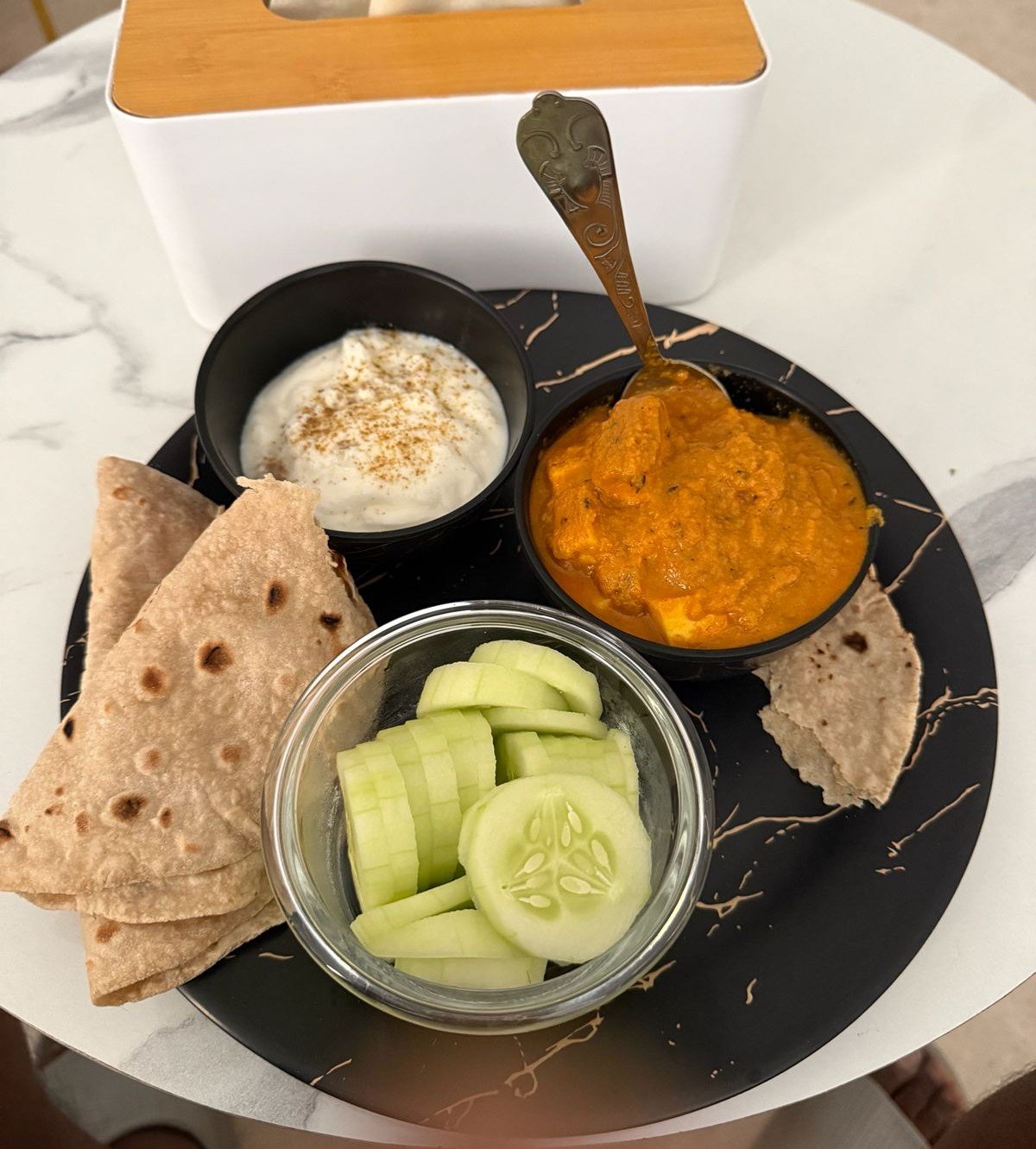
Rich in lignans that help balance oestrogen levels and omega 3 fatty acids that reduce inflammation. Ground flaxseeds added to roti dough or curd work powerfully for hormonal balance.

ðŸŸĄ
Anti-Inflammatory

Haldi (Turmeric)

Curcumin in turmeric has proven anti-inflammatory and insulin-sensitising effects. Daily haldi in cooking, especially with black pepper, provides consistent anti-inflammatory support for PCOS.

ðŸŒū
Blood Sugar Control

Millets

Jowar, bajra, ragi and foxtail millet have low glycemic indices making them ideal replacements or additions to wheat-based meals. They stabilise blood sugar and support insulin sensitivity in PCOS.

ðŸŦ˜
Protein and Fibre

Dal and Legumes

Moong, masoor, chana, rajma. Lentils and legumes provide plant protein, slow-release carbohydrates and fibre that reduce blood sugar spikes, support gut health and keep you full longer.

ðŸĨŽ
Iron and Folate

Leafy Greens

Palak, methi leaves, curry leaves and moringa are rich in iron, folate, magnesium and antioxidants. Women with PCOS are often deficient in all of these. Regular leafy greens in sabzi address multiple deficiencies at once.

ðŸĨ›
Probiotic

Curd and Fermented Foods

Gut health directly influences hormonal health. Homemade curd, buttermilk, idli, dosa and kanji provide probiotic support that improves gut microbiome balance and reduces systemic inflammation in PCOS.

ðŸŦš
Hormone Support

Desi Ghee

Contrary to myth, good quality fats are essential for hormone production. Desi ghee in appropriate quantities supports fat-soluble vitamin absorption, reduces inflammation and supports healthy hormone synthesis.

What the Program Includes

Everything that goes into your PCOS program.

The NutriEat PCOS program is not a generic meal plan handed over after a 20 minute call. It is a structured, ongoing, personalised intervention built around your specific hormonal picture, your Indian food preferences, your lifestyle, and your goals.

Personalised Nutrition AssessmentYour health history, current symptoms, food habits, blood reports and lifestyle are reviewed in detail before any plan is created.
Customised Indian Meal PlanA detailed day-by-day meal plan built around your food preferences, food availability, cooking time and specific PCOS nutritional requirements.
Blood Sugar and Insulin ManagementSpecific guidance on meal timing, food combinations and portion control to manage insulin resistance, the root driver of most PCOS symptoms.
Hormone Balancing NutrientsTargeted nutritional support for inositol, zinc, magnesium, Vitamin D and omega 3, through food and where needed, supplementation guidance.
Anti-Inflammatory Food ProtocolA specific focus on reducing chronic inflammation through everyday Indian foods, spices and cooking methods.
Mindful Eating and Lifestyle GuidanceSleep, stress management, movement and mindful eating practices tailored to your current lifestyle, not an ideal one.
Weekly Q&A Session AccessLive group Q&A sessions where you can ask questions, understand your plan better and stay accountable throughout the program.
Ongoing Support and MonitoringContinuous tracking of your progress with plan revisions as your body responds and your goals evolve.

What You Can Expect

📅

Improved Menstrual Regularity Most clients see improvement in cycle regularity within 2 to 3 months of consistent nutritional support.

⚖ïļ

Sustainable Weight Management Gradual, steady weight reduction without crash dieting, supporting long-term hormonal balance.

💊

Increased Energy Levels Reduction in fatigue, brain fog and afternoon crashes as blood sugar and nutritional deficiencies are corrected.

ðŸĶą

Reduction in Hair Fall and Skin Concerns Improvement in androgen-related symptoms like hair thinning and acne as hormonal balance improves.

ðŸĪ°

Enhanced Fertility Support Improved ovulation regularity for women trying to conceive, alongside our gynaecology collaboration with Dr. Ankita Ingale.

🧠

Better Mood and Mental Clarity Hormonal and nutritional balance has a direct positive impact on mood stability, anxiety levels and mental clarity.

Program Plans

Choose the level of support that is right for you.

Every plan includes a personalised nutrition assessment and customised meal plan. The difference is in the depth and duration of ongoing support.

Essential Needs

Starter Program

1 Month

✓ Program Starter Counselling Session
✓ Personalised Nutrition Plan
✓ Weekly Q&A Session Access
✗ Meal Check
✗ Recipe Guidance
✗ Follow Up Sessions
✗ Community Access
Book Free Consultation

Premium Transformation

Complete Program

6 Months

✓ Program Starter Counselling Session
✓ Personalised Nutrition Plan
✓ Weekly Q&A Session Access
✓ Meal Check Included
✓ Recipe Guidance
✓ 6 Follow Up Sessions and Revised Plans
✓ Community and Specialised Sessions
Book Free Consultation

Book a free consultation to discuss which plan is right for your specific situation. No obligation, no pressure.

Clearing the Confusion

Common PCOS myths that are holding you back.

These are the most common things Vrushali hears from women who walk in after years of wrong information. Setting the record straight matters.

❌

Myth

PCOS means I can never lose weight no matter what I do.

✅

Truth

PCOS makes weight loss harder due to insulin resistance, but it absolutely does not make it impossible. With the right nutritional approach that addresses insulin sensitivity, many women see steady, sustainable weight loss without crash diets.

❌

Myth

I have to cut all carbs to manage PCOS.

✅

Truth

Carbohydrates are not the enemy. The type and timing of carbs matters enormously. Millets, lentils, whole grains, and vegetables are all carbs that actively support PCOS management. Eliminating carbs entirely worsens hormonal balance and is completely unsustainable.

❌

Myth

PCOS can only be managed with the contraceptive pill.

✅

Truth

The pill manages symptoms temporarily but does not address the root causes of PCOS. Nutritional and lifestyle intervention addresses insulin resistance, inflammation and hormonal imbalance directly. Many women see significant improvement without medication through a consistent, personalised approach.

❌

Myth

PCOS means I cannot get pregnant.

✅

Truth

PCOS is one of the most common but also one of the most treatable causes of fertility challenges. Restoring ovulation through nutritional support, often in collaboration with a gynaecologist, gives many women with PCOS the fertility support they need to conceive naturally.

Client Transformations

Real women. Real results. Real Indian food.

These are actual outcomes from NutriEat PCOS clients. Every person's journey is different. These results give you a sense of what is possible with consistent, personalised nutritional support.

PCOS and Irregular Cycles

Cycles regular in 90 days

Client had not had a regular cycle in 4 years. Through a personalised PCOS nutrition plan focused on blood sugar balance and anti-inflammatory foods, her cycles normalised within 3 months. No new medication was added. She continues to maintain regularity through nutrition.

PCOS and Weight

8 kg in 3 months

Client had struggled with weight for years despite multiple attempts at dieting. The NutriEat PCOS program identified insulin resistance as the core issue and redesigned her meals around low glycemic Indian foods. She lost 8 kilograms over 3 months eating dal, sabzi, roti and curd daily.

PCOS and Fertility

Conceived naturally in 5 months

Client had been trying to conceive for 18 months with irregular ovulation due to PCOS. Through a fertility-focused PCOS nutrition program alongside gynaecological care from Dr. Ankita Ingale, she conceived naturally within 5 months of starting the program.

Medical Collaboration

Working alongside a gynaecologist for complete PCOS care.

PCOS often needs both nutritional and medical support working together. NutriEat with Vrushali collaborates with Dr. Ankita Ingale, Gynaecologist and IVF Specialist at Chorion Gynae and Fertility Clinic, Keshav Nagar, Pune.

For clients who need gynaecological evaluation, fertility support, or medical management of PCOS alongside nutritional care, Vrushali can facilitate a coordinated referral to Dr. Ankita's clinic. Both practitioners stay aligned on the client's care plan to ensure the best possible outcomes.

Dr. Ankita Ingale Gynaecologist IVF Specialist Keshav Nagar Pune PCOS

Dr. Ankita Ingale, Gynaecologist and IVF Specialist, Chorion Gynae and Fertility Clinic, Pune

Questions and Answers

What women with PCOS most often ask before they start.

Can PCOS be managed without medication through nutrition?+

Yes. PCOS responds significantly to nutritional and lifestyle changes. Many women see improvement in cycle regularity, hormonal balance and weight within 3 months of a personalised PCOS nutrition program. Vrushali personally managed her own PCOS through nutrition. While some women benefit from medical management alongside nutrition, many find that consistent nutritional intervention significantly reduces their need for medication over time.

How long does it take to see results?+

Most clients begin noticing improvements in energy, digestion and mood within 4 to 6 weeks. Cycle regularisation typically happens within 2 to 3 months of consistent nutritional support. Weight changes are gradual and sustainable, typically 1 to 2 kilograms per month. The Premium 6 month program is designed for the most complete and lasting transformation.

Do I have to give up Indian food?+

Absolutely not. The NutriEat PCOS program is built entirely around Indian food. Dal, roti, sabzi, curd, rice in appropriate form, and traditional Indian spices are not obstacles. They are the foundation of the plan. The program teaches you how to use the food you already eat in ways that actively support your hormonal health.

Is the program suitable for women trying to conceive?+

Yes. The NutriEat PCOS program includes specific support for enhanced fertility through hormonal balance, ovulation support and weight management. Vrushali also collaborates with gynaecologist Dr. Ankita Ingale for clients who need combined nutritional and medical fertility support. Many clients have conceived naturally following the program.

Can I consult online if I am not in Pune?+

Yes. NutriEat with Vrushali offers online PCOS nutrition consultations for clients across India and internationally including the UK, UAE and USA. All consultations are conducted via WhatsApp or video call with the same depth of personalised care as in-person sessions.

What is the difference between PCOS and PCOD?+

PCOD (Polycystic Ovarian Disease) refers to a condition where the ovaries release immature or partially mature eggs, causing cyst formation. PCOS (Polycystic Ovary Syndrome) is a more complex metabolic and hormonal disorder. PCOS is generally considered more severe as it involves hormonal imbalance, insulin resistance and metabolic effects beyond the ovaries. The NutriEat program addresses both conditions through personalised nutritional support.

Take the First Step

Your hormones are not against you. Let us show you how to work with them.

Book a free 15 minute consultation with Vrushali. No pressure, no generic advice. Just an honest conversation about your PCOS, your food, and what is actually possible for you.

Book Free Consultation Send a Message