Gut Health and GI Disorder Nutrition Program
Bloating after every meal, acidity that will not go away, constipation, diarrhoea, stomach cramps, feeling heavy and uncomfortable all the time. These are not things you simply have to live with. Your gut can heal. And the food you eat is your most powerful medicine.
IBS and IBD
Irritable bowel syndrome, Crohn's disease and ulcerative colitis. Dietary management is central to symptom control.
Acidity and GERD
Chronic acid reflux, heartburn and gastroesophageal reflux. Highly responsive to targeted nutritional intervention.
Bloating and Indigestion
Persistent bloating, heaviness, indigestion and poor gut microbiome. Correctable through food and lifestyle changes.
Recognising the Signs
Gut health affects everything from energy and immunity to mood and hormonal balance. These symptoms are your gut asking for nutritional support, not just antacids and temporary relief.
Feeling bloated after meals, a distended abdomen, or gas and discomfort throughout the day. Bloating indicates fermentation imbalance, microbiome disruption or food intolerances that nutrition can directly address.
Burning sensation in the chest, sour belching, regurgitation after meals. Chronic acidity is often worsened by specific food choices, meal timing and lifestyle habits that a targeted nutritional plan can significantly improve.
Constipation, loose stools, alternating bowel patterns or unpredictable urgency. These patterns indicate gut motility and microbiome issues that respond well to fibre-balanced, probiotic-rich dietary intervention.
Cramping, stomach pain, discomfort after eating. Common in IBS and IBD, these symptoms are strongly influenced by specific food triggers that a detailed food diary and elimination protocol can identify and address.
Feeling exhausted, heavy or sluggish after eating. Post-meal fatigue often indicates poor digestive enzyme production, blood sugar dysregulation or specific food intolerances that are correctable through nutrition.
Persistent acne, eczema, brain fog and poor concentration linked to poor gut health. The gut-skin axis and gut-brain axis are well-established. Healing the gut has a direct measurable impact on both skin clarity and mental sharpness.
The gut is often called the second brain. It contains more neurons than the spinal cord, produces 95 percent of the body's serotonin, and is home to trillions of bacteria that influence immunity, hormones, mood and metabolism. When the gut is not functioning well, almost nothing else does either.
Most people with gut issues are given antacids, laxatives, or told to avoid certain foods without ever understanding why. These approaches manage symptoms temporarily but do not address the root cause of why the gut is struggling in the first place.
At NutriEat, gut health programs begin with understanding your specific digestive pattern, your current diet, your lifestyle, your stress levels, and any medical diagnoses you have. From there we build a food-first gut healing approach using Indian probiotic foods, anti-inflammatory ingredients, and precision dietary strategies that address your specific gut issues at their root.
Note: If you have been diagnosed with IBD, celiac disease or another serious gastrointestinal condition, please ensure you have medical supervision alongside your nutritional program. The NutriEat gut program works alongside your gastroenterologist's recommendations, not in place of them.
The Nutritional Approach
Gut healing through nutrition is a systematic process of removing what harms, providing what heals, and rebuilding what has been depleted. This is how it works.
Every person's gut triggers are different. Through a detailed dietary history and structured elimination-reintroduction process, we identify your specific foods that worsen bloating, acidity, IBS or other gut symptoms. This precision approach replaces the generic "avoid everything" advice that leaves people nutritionally depleted.
A diverse, healthy gut microbiome is the foundation of digestive health. The NutriEat gut program uses Indian probiotic foods like homemade curd, buttermilk, idli, dosa and kanji alongside prebiotic-rich foods like onion, garlic, banana and lentils to restore microbiome diversity and balance sustainably.
Intestinal permeability, often called leaky gut, allows undigested food particles and bacteria to enter the bloodstream, causing systemic inflammation. Specific nutrients including glutamine, zinc, collagen-rich foods and anti-inflammatory spices help repair the gut lining and reduce permeability over time.
Specific foods and eating patterns directly worsen or improve gut symptoms. Meal timing, eating pace, food combinations, fibre types and cooking methods all affect how your gut responds to food. The NutriEat gut program provides precise practical guidance on all of these for your specific condition.
Chronic gut inflammation underlies IBS, IBD and many other digestive conditions. An anti-inflammatory dietary approach using everyday Indian ingredients like turmeric, ginger, jeera, and omega 3-rich foods reduces this inflammation at its source, allowing the gut lining to heal more effectively.
How you eat matters as much as what you eat for gut health. Eating pace, chewing adequately, meal timing, stress during meals and hydration all profoundly affect digestion. The NutriEat gut program includes specific mindful eating practices rooted in traditional Indian food wisdom that directly improve digestive function.
Your Kitchen is Your Medicine
Indian cuisine has one of the world's richest traditions of gut-supportive foods and spices. These are the ones your NutriEat gut program will use most consistently.
Homemade Curd
Homemade curd is one of the richest natural probiotic sources in Indian food, providing Lactobacillus and Bifidobacterium strains that restore gut microbiome balance. Daily curd consumption significantly improves digestion, bloating and bowel regularity.
Jeera (Cumin)
Jeera has been used in Indian medicine for centuries for digestive complaints. It stimulates digestive enzymes, reduces bloating and gas, improves gut motility and has mild antimicrobial properties. Jeera water first thing in the morning is a powerful gut-supportive daily habit.
Adrak (Ginger)
Ginger is among the most researched digestive aids. Gingerols stimulate gastric emptying, reduce nausea, relieve bloating, decrease gut inflammation and improve overall digestive motility. Fresh ginger in meals, tea or warm water daily provides consistent gut benefit.
Ajwain (Carom Seeds)
Ajwain contains thymol which is a powerful carminative that relieves gas, bloating, acidity and indigestion almost immediately. Ajwain water after meals, or ajwain added to dal and roti, is a traditional Indian gut-healing practice with strong clinical basis.
Haldi (Turmeric)
Curcumin in turmeric is a potent anti-inflammatory compound that directly benefits gut lining health, reduces inflammation in IBD and IBS, and supports beneficial gut bacteria. Daily haldi in cooking as part of tadka provides consistent gut anti-inflammatory support.
Garlic and Onion
Both are rich in fructooligosaccharides, prebiotic fibres that feed beneficial gut bacteria and promote microbiome diversity. Regular garlic and onion as the base of Indian cooking provides consistent prebiotic support that most people overlook as a powerful gut health tool.
Raw Banana and Kela
Raw banana and ripe banana both benefit gut health but in different ways. Raw banana provides resistant starch that feeds gut bacteria. Ripe banana provides pectin fibre that soothes gut inflammation. Banana is one of the most easily tolerable gut-supportive foods even in sensitive digestive conditions.
Moong Dal
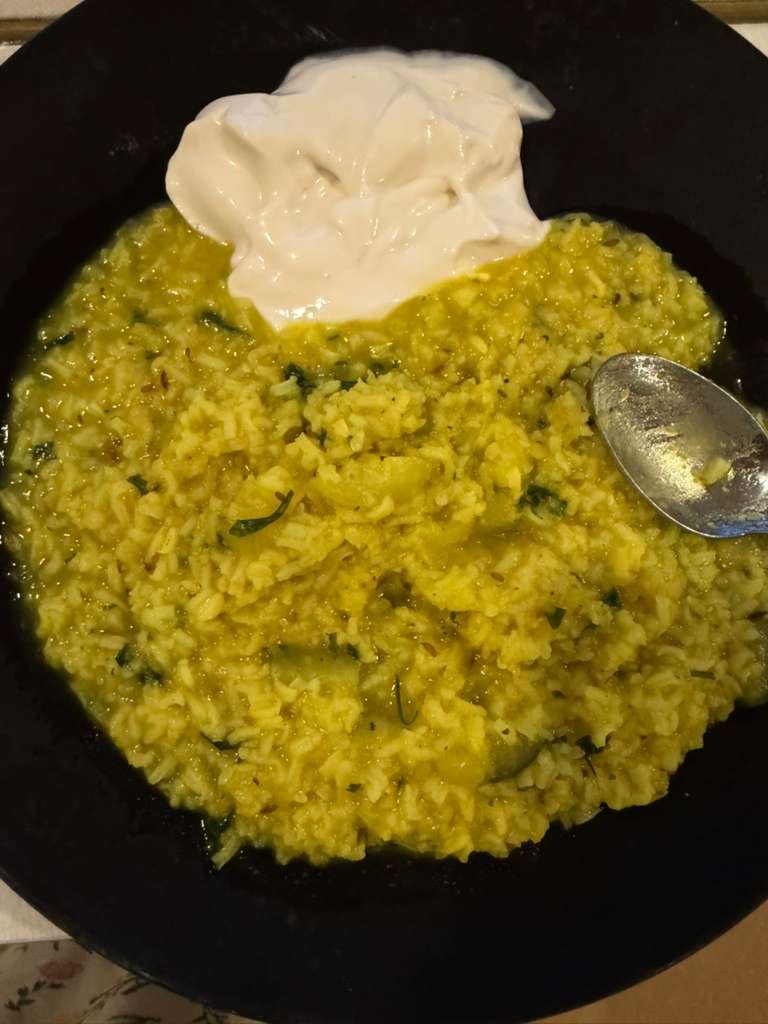
Moong dal is the most easily digestible lentil in Indian cuisine and a cornerstone of gut healing diets. It provides protein, fibre and micronutrients without the fermentable carbohydrates that worsen bloating in sensitive guts. Moong dal khichdi is among the most gut-healing Indian meals available.
What the Program Includes
The NutriEat Gut Health program is built around your specific digestive pattern, your medical diagnosis if any, your trigger foods, your Indian food preferences and your daily lifestyle. It is not a standard elimination diet template. It is built precisely for your gut.
What You Can Expect
Reduced Bloating Most clients notice a significant reduction in bloating and post-meal discomfort within 3 to 4 weeks of starting the gut healing program.
Improved Bowel Regularity More predictable and comfortable bowel movements as gut motility and microbiome balance improve through dietary intervention.
Reduced Acidity and Heartburn Significant reduction in acid reflux symptoms through targeted dietary and lifestyle modifications specific to GERD management.
Improved Energy and Mood As gut health improves, energy levels, mental clarity and mood stability improve through the gut-brain and gut-hormone connections.
Better Skin Clarity Gut healing has a direct positive impact on skin health through the gut-skin axis, often improving acne, eczema and skin dullness.
Enhanced Overall Well-Being When your gut functions well, your immune system, hormones, energy and mental health all benefit. Gut healing is whole-body healing.
Program Plans
Every plan includes a personalised gut health assessment and customised Indian meal plan designed for your specific digestive condition.
Essential Needs
Starter Program
1 Month
Optimal Results
Transformation Program
3 Months
Premium Transformation
Complete Program
6 Months
Book a free consultation to discuss which plan is right for your specific gut condition. No obligation, no pressure.
Clearing the Confusion
Myth
Antacids and probiotics from a pharmacy are enough to fix gut problems.
Truth
Antacids suppress symptoms without addressing why your gut is producing excess acid. Most commercial probiotics have limited strain diversity and poor survival rates compared to homemade Indian fermented foods. Real gut healing requires dietary change, not just symptom suppression.
Myth
If I have IBS I have to follow a very restrictive low-FODMAP diet forever.
Truth
Low-FODMAP is a diagnostic tool, not a lifelong diet. It is used temporarily to identify individual food triggers. Most people with IBS can tolerate many FODMAPs once their specific triggers are identified and gut health is restored. An overly restrictive diet can worsen gut health by reducing microbiome diversity.
Myth
Gut problems are mostly stress and anxiety, not food.
Truth
Stress absolutely affects gut function through the gut-brain axis. But what you eat is equally powerful. Food determines your microbiome composition, gut inflammation levels and intestinal permeability. Addressing both the dietary and stress dimensions simultaneously gives the best and most sustainable outcomes for gut healing.
Myth
Dal, roti and Indian food are all heavy and hard to digest.
Truth
Indian food prepared correctly is among the most gut-supportive cuisine in the world. The problem is often in preparation methods, meal timing, food combinations and eating pace rather than the food itself. Moong dal khichdi, curd rice, lightly cooked sabzi and fermented foods like idli and dosa are genuinely healing gut foods when understood correctly.
Questions and Answers
Yes. IBS responds significantly to dietary intervention. A personalised gut nutrition program identifies your specific food triggers, heals gut lining inflammation, restores microbiome balance through Indian probiotic foods and creates a sustainable eating pattern that significantly reduces IBS symptoms including bloating, cramping and irregular bowel movements. Many clients manage IBS completely through nutrition without any ongoing medication.
Most clients notice improvement in bloating, acidity and bowel regularity within 3 to 4 weeks. More significant healing of gut inflammation and microbiome restoration typically takes 3 to 6 months of consistent dietary support. The 6-month Premium program allows the most complete gut healing and microbiome restoration for clients with longstanding or complex gut conditions.
Absolutely. The NutriEat gut program is built entirely around Indian food. Indian cuisine has one of the richest traditions of gut-supportive foods in the world. Jeera, ajwain, haldi, ginger, curd, buttermilk, moong dal and fermented foods are all central to the gut healing plan. The adjustments are in preparation methods, timing and combinations rather than elimination of Indian food.
Yes, with the understanding that IBD requires close medical oversight. The NutriEat gut program for IBD clients works in alignment with your gastroenterologist's medical management. Nutrition plays a critical role in reducing inflammation, managing flares through specific dietary protocols, and maintaining nutritional status during active disease phases. We always work alongside your medical team, not independently.
The gut-skin axis is a well-established bidirectional communication pathway. Gut dysbiosis, intestinal permeability and chronic gut inflammation can directly worsen skin conditions including acne, eczema, psoriasis and rosacea. Many NutriEat clients whose primary complaint was a skin issue found that addressing gut health through nutrition was the most effective solution for their skin as well.
Yes. NutriEat with Vrushali offers online gut health nutrition consultations for clients across India and internationally. All consultations are via WhatsApp or video call. The detailed food diary review and trigger identification process works equally well online, and many gut health clients have seen complete resolution of their symptoms through the online program.
Take the First Step
Book a free 15 minute consultation with Vrushali. Tell us what your gut has been going through. Let us find the root cause and build a plan that actually works with your Indian food and your life.