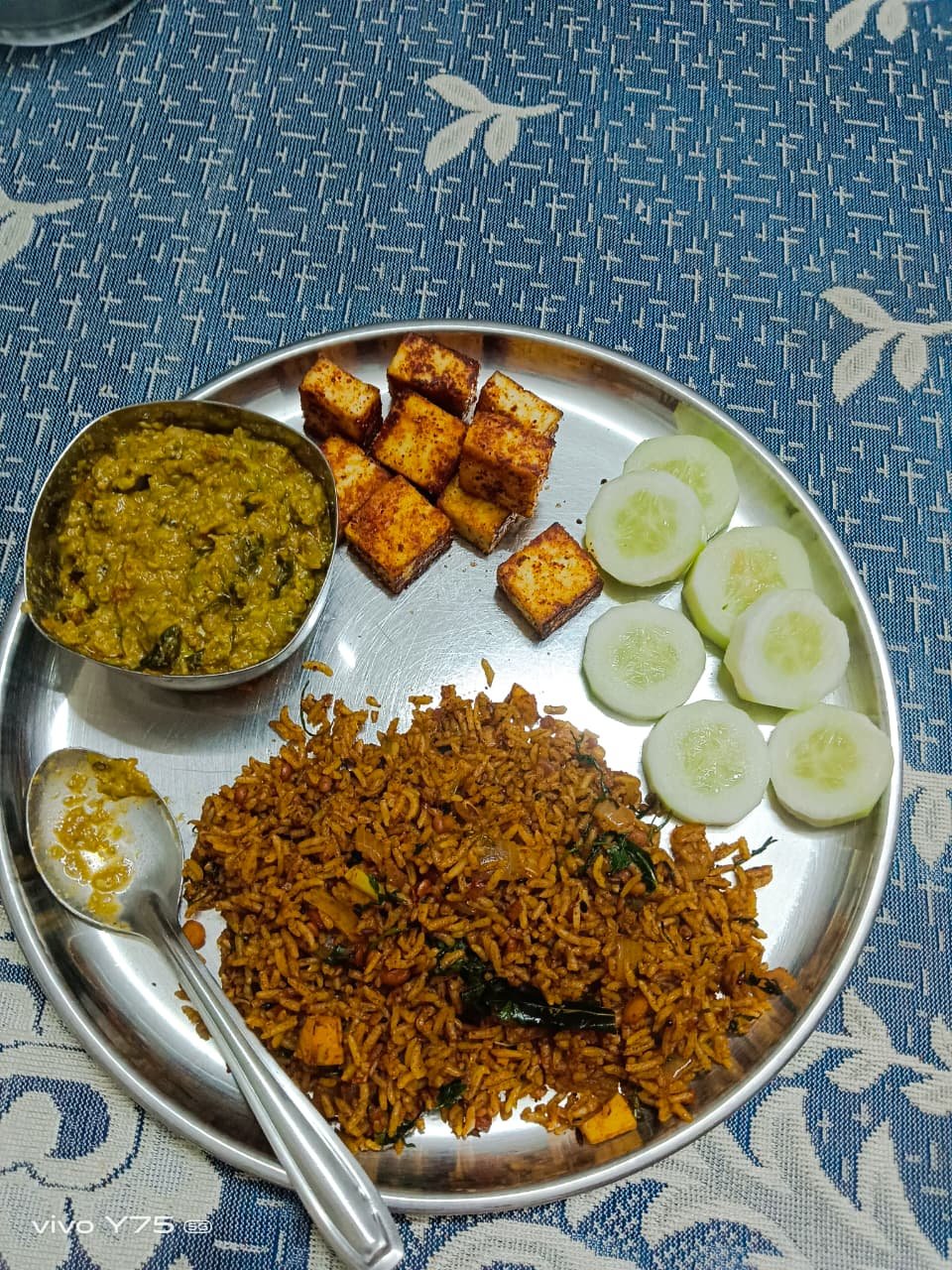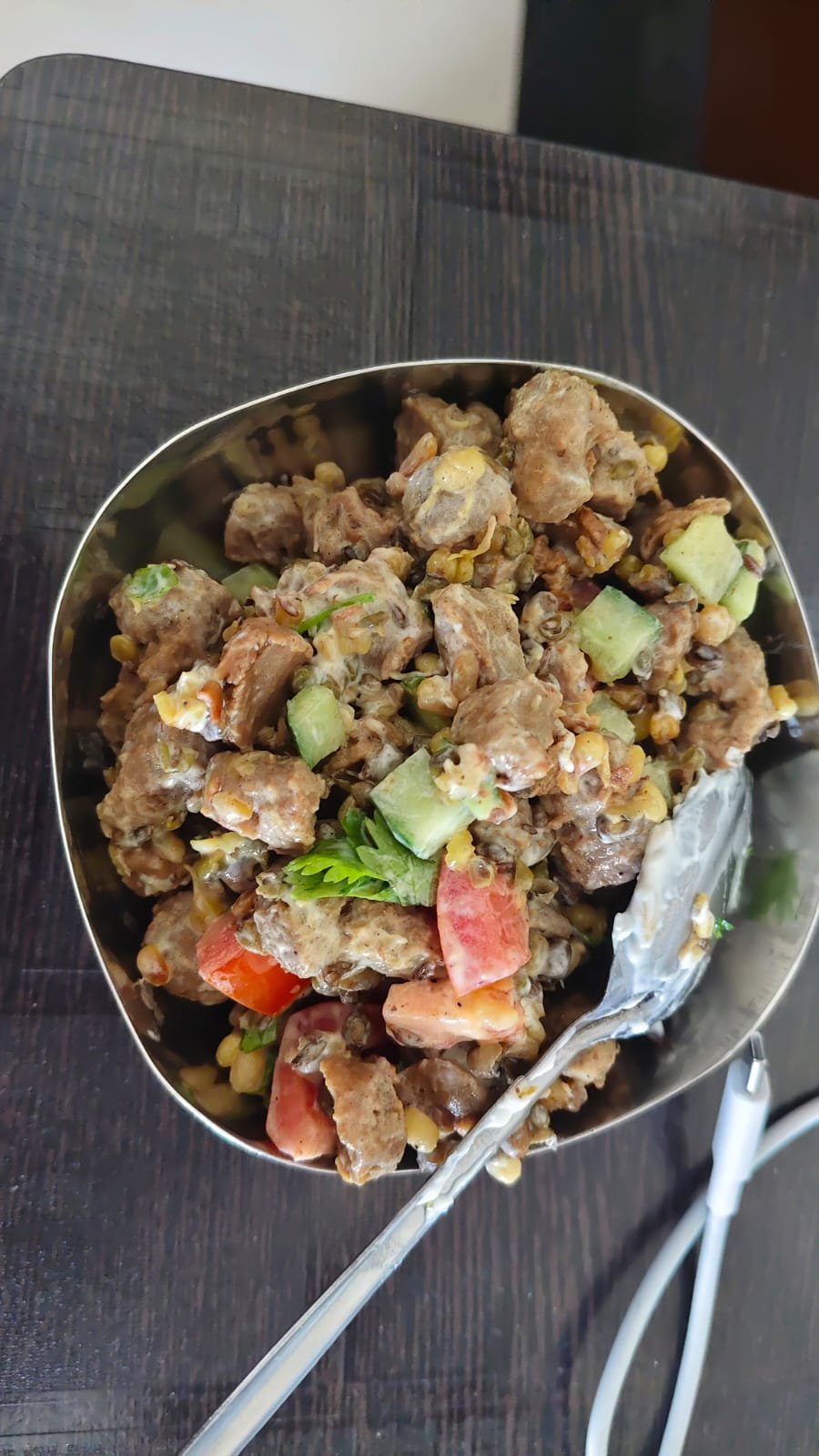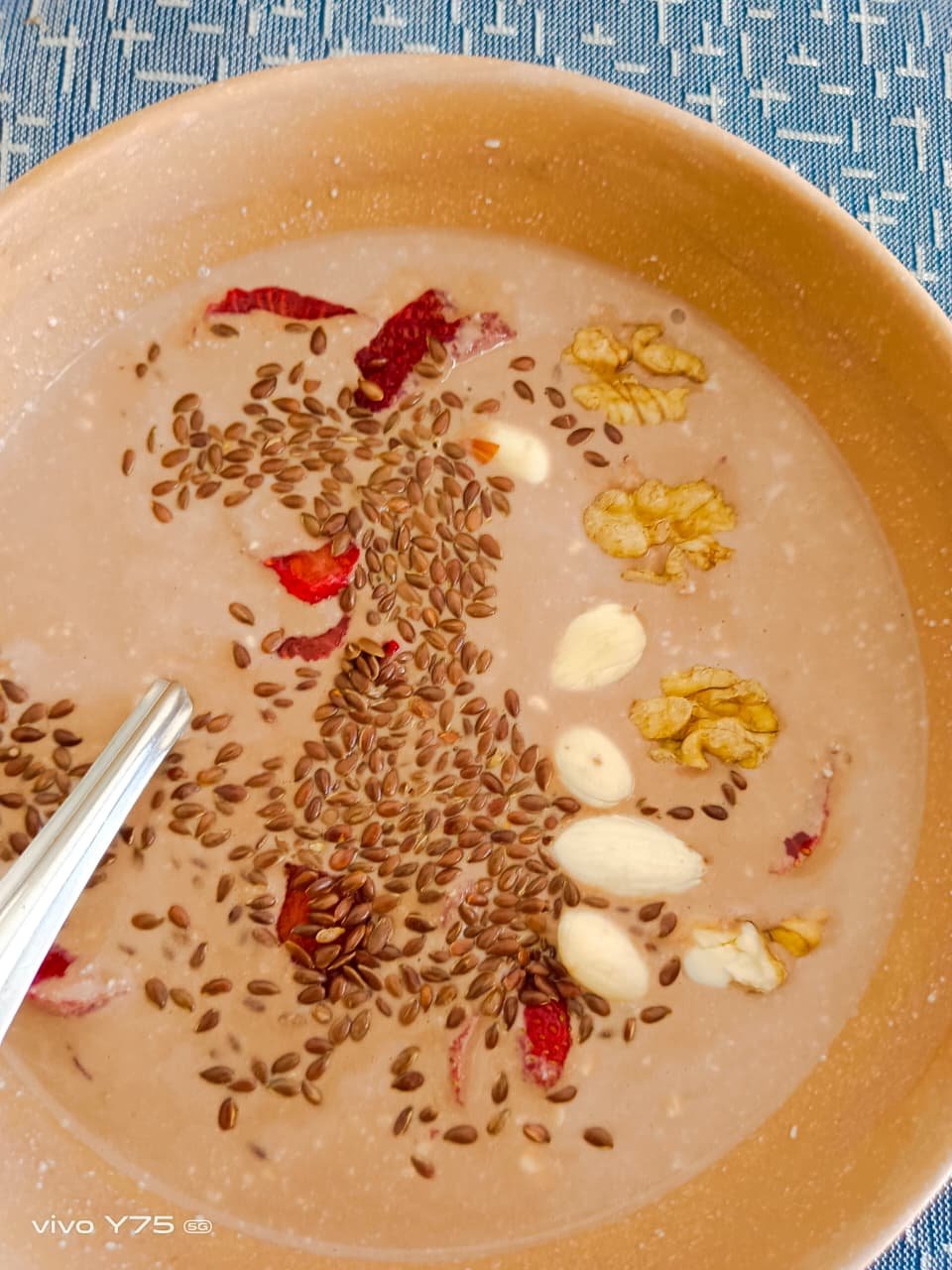
Pregnancy is the most nutritionally demanding period of a woman's life. What you eat in these months does not just fuel your body, it literally builds your baby's brain, bones, organs and immune system. The advice pregnant women receive is often overwhelming and contradictory: eat more, eat less, avoid this, consume that. This guide simplifies prenatal nutrition into clear, trimester-specific guidance built entirely around Indian food. No unfamiliar ingredients. No unrealistic meal plans. Just the Indian foods you know, timed and combined for each stage of pregnancy.
Before Pregnancy: The Preconception Phase Most Women Skip
The most critical window of pregnancy nutrition happens before most women even know they are pregnant. The neural tube, which becomes the baby's brain and spinal cord, closes by day 28 of pregnancy, around the time a woman misses her period. Adequate folate during these first 4 weeks reduces neural tube defects like spina bifida by up to 70 percent.
If you are planning pregnancy, start preconception nutrition at least 3 months before trying to conceive. The focus should be: folate from palak, methi and other leafy greens daily, iron from dal and legumes, Vitamin D from adequate sunlight and fortified dairy, achieving a healthy weight before pregnancy and correcting any nutritional deficiencies identified through blood tests. Women with PCOS should pay particular attention to preconception nutrition because insulin resistance and nutritional deficiencies common in PCOS directly affect early pregnancy outcomes.
Key Insight: The single most important thing you can do for your baby's health is to start prenatal nutrition before conception. The neural tube closes before most pregnancy tests turn positive. Folate from palak, methi and lentils in the months before pregnancy is genuinely one of the most impactful health decisions you will ever make.
First Trimester (Weeks 1 to 12): Surviving Nausea While Nourishing Your Baby
The first trimester presents a cruel paradox. This is when your baby's brain, heart, spine and all major organs are forming, and it is precisely when nausea and food aversions make eating difficult. Up to 80 percent of pregnant women experience nausea in the first trimester. The goal is not perfect nutrition. The goal is adequate nutrition while managing the nausea so you can eat enough.
What Your Baby Needs Most in the First Trimester
Folate is the non-negotiable nutrient of the first trimester. It prevents neural tube defects and supports the explosive cell division that builds all organ systems. Iron supports the rapidly expanding blood volume. Vitamin B6, found in chana, bananas and potatoes, can significantly reduce pregnancy nausea.
Indian Foods That Help First Trimester Nausea
- Adrak (Ginger): The most researched natural anti-nausea food for pregnancy. Ginger in warm water first thing in the morning, ginger in tea or small pieces of fresh ginger with a pinch of salt can reduce nausea significantly. Ginger is safe throughout pregnancy in food amounts.
- Nimbu Pani (Lemon Water): The sour taste and smell of lemon reduce nausea for many women. Warm or room temperature nimbu pani with minimal or no sugar helps with both nausea and early pregnancy hydration.
- Moong Dal Khichdi: When nothing else feels tolerable, a simple moong dal khichdi made with minimal spices, soft in texture and easy to digest, provides protein, carbohydrates and folate in a form most nauseous women can tolerate.
- Saunf (Fennel Seeds): Chewing a small amount of saunf after meals reduces nausea and supports digestion. Saunf tea is also gentle and effective.
- Small Frequent Meals: An empty stomach worsens nausea. Eating something small every 2 to 3 hours, a plain khakra, a piece of fruit, a handful of roasted chana, keeps nausea at bay better than three large meals.
Second Trimester (Weeks 13 to 26): The Golden Period for Nutrition
The second trimester is when nausea typically eases, energy returns and appetite normalises. This is the trimester to focus on nutrient density because your baby's growth accelerates dramatically. The baby's bones are calcifying, muscles are developing and the organs that formed in the first trimester are now maturing.
Key Nutrients for the Second Trimester
- Calcium: Your baby's skeleton is mineralising rapidly. If your dietary calcium is inadequate, your baby will draw calcium from your bones. Ragi, dairy products, sesame seeds (til), leafy greens and fortified foods provide the calcium both of you need. Ragi porridge or ragi roti is one of the most calcium-dense Indian foods available.
- Iron: Blood volume has expanded by about 50 percent by the second trimester, requiring significantly more iron. Palak, methi, chana, rajma, beetroot and dates all contribute. Importantly, pairing iron-rich foods with Vitamin C from lemon, amla or guava dramatically improves iron absorption. A squeeze of lemon on palak sabzi or dal makes the iron in those foods significantly more available to your body.
- Protein: Your baby's tissues and organs are growing rapidly. Dal, paneer, curd, eggs, nuts and seeds should be part of every meal. Paneer bhurji with vegetables, dal with every lunch and dinner, overnight soaked almonds and sprouts added to meals all increase protein intake within familiar Indian food patterns.
- Omega 3 (DHA): Your baby's brain development accelerates in the second trimester. Walnuts, flaxseeds and fatty fish if you eat it provide the omega 3 fatty acids needed. Ground flaxseeds (alsi), 1 to 2 tablespoons daily, can be added to roti dough, sprinkled on dal or mixed into curd.
Third Trimester (Weeks 27 to 40): Brain Growth and Birth Preparation
The third trimester sees the most dramatic brain growth of the entire pregnancy. The baby's brain weight increases by about 3 times during these final weeks. DHA remains critical. Choline, found particularly in eggs, supports brain structure development. Two eggs daily in the third trimester provides substantial choline that most Indian vegetarian diets are low in.
Managing Third Trimester Discomforts Through Food
- Heartburn: The growing uterus pushes the stomach upward, causing acid reflux. Small, frequent meals, avoiding lying down for at least an hour after eating, reducing very spicy and fried foods and drinking chaas or curd rather than large amounts of water with meals reduces heartburn.
- Constipation: Pregnancy hormones slow gut motility. Adequate fibre from dal, vegetables, fruits and whole grains combined with proper hydration and gentle walking after meals provides effective relief. Soaked chia seeds or sabja seeds in water or buttermilk add both fibre and hydration.
- Swelling and Fluid Retention: Potassium-rich foods like banana, coconut water and sweet potato help balance sodium and reduce fluid retention. Reducing packaged and restaurant foods, which are extremely high in hidden sodium, often helps more than any other single intervention.
Traditional Indian Third Trimester Foods with Scientific Backing
Many traditional Indian pregnancy foods have genuine nutritional benefits confirmed by modern science. Milk with a pinch of haldi provides calcium and the anti-inflammatory benefits of curcumin. Dates in the final weeks of pregnancy have been studied for their potential to support cervical ripening and reduce the need for labour induction. Ghee in moderation, about 1 to 2 teaspoons per day, provides fat-soluble vitamins and energy density. The traditional Indian practice of eating nutrient-dense laddoos made with gond, nuts and dates in the third trimester provides concentrated nutrition for both mother and baby in the final growth phase.
Practical Advice: In the third trimester, eat whatever nutrient-dense Indian foods you can tolerate in smaller, more frequent portions. Your stomach capacity is reduced by your growing baby. Four to five smaller meals are more realistic and comfortable than three large ones. Keep nuts, fruit, khakra, roasted chana and curd handy for between-meal nutrition.
Indian Foods to Be Cautious About During Pregnancy
- Raw Papaya (Large Amounts): Unripe raw papaya contains papain which may stimulate uterine contractions. Small amounts of ripe papaya in food are generally considered safe, but large consumption of raw papaya is best avoided.
- Excessive Caffeine: Chai and coffee in moderate amounts, 1 to 2 cups per day, are generally considered safe during pregnancy. Excessive caffeine beyond 200mg daily increases risk of low birth weight.
- Unpasteurised Dairy: Always consume pasteurised milk and dairy products during pregnancy to avoid listeria risk.
- Outside Food of Uncertain Hygiene: Pregnancy slightly suppresses the immune system, making food-borne illness more dangerous. Street food and outside food from places with uncertain hygiene are best avoided during pregnancy.
Working with Dr. Ankita Ingale for Complete Prenatal Care
Prenatal nutrition achieves the best outcomes when diet and medical care work together. At NutriEat, our prenatal program collaborates with Dr. Ankita Ingale, Gynaecologist and IVF Specialist at Chorion Gynae and Fertility Clinic, Keshav Nagar, Pune. For clients who need combined gynaecological and nutritional prenatal support, including those with PCOS, gestational diabetes risk, IVF pregnancies or high-risk pregnancies, our coordinated care ensures your diet and your medical management are aligned throughout pregnancy.