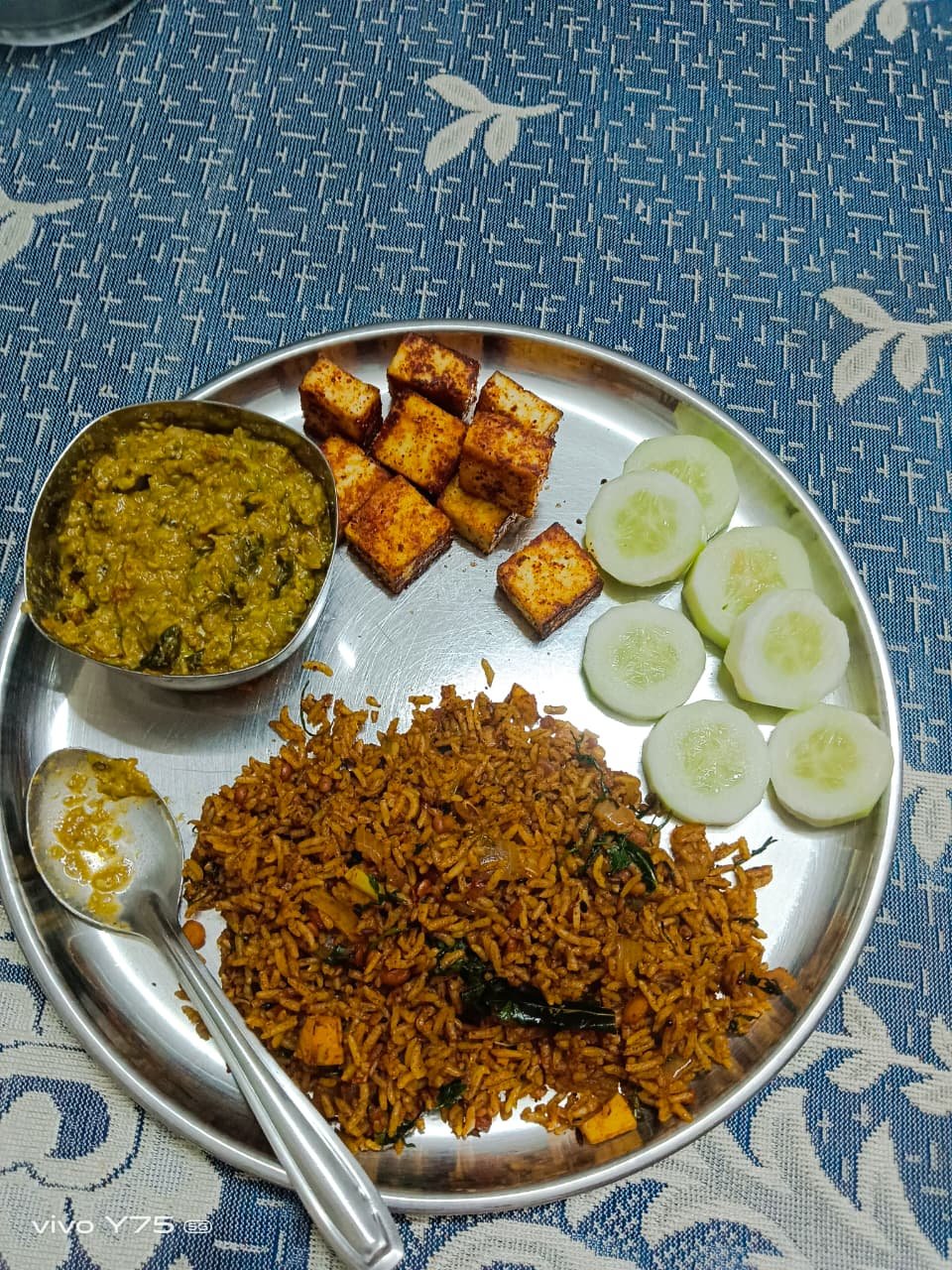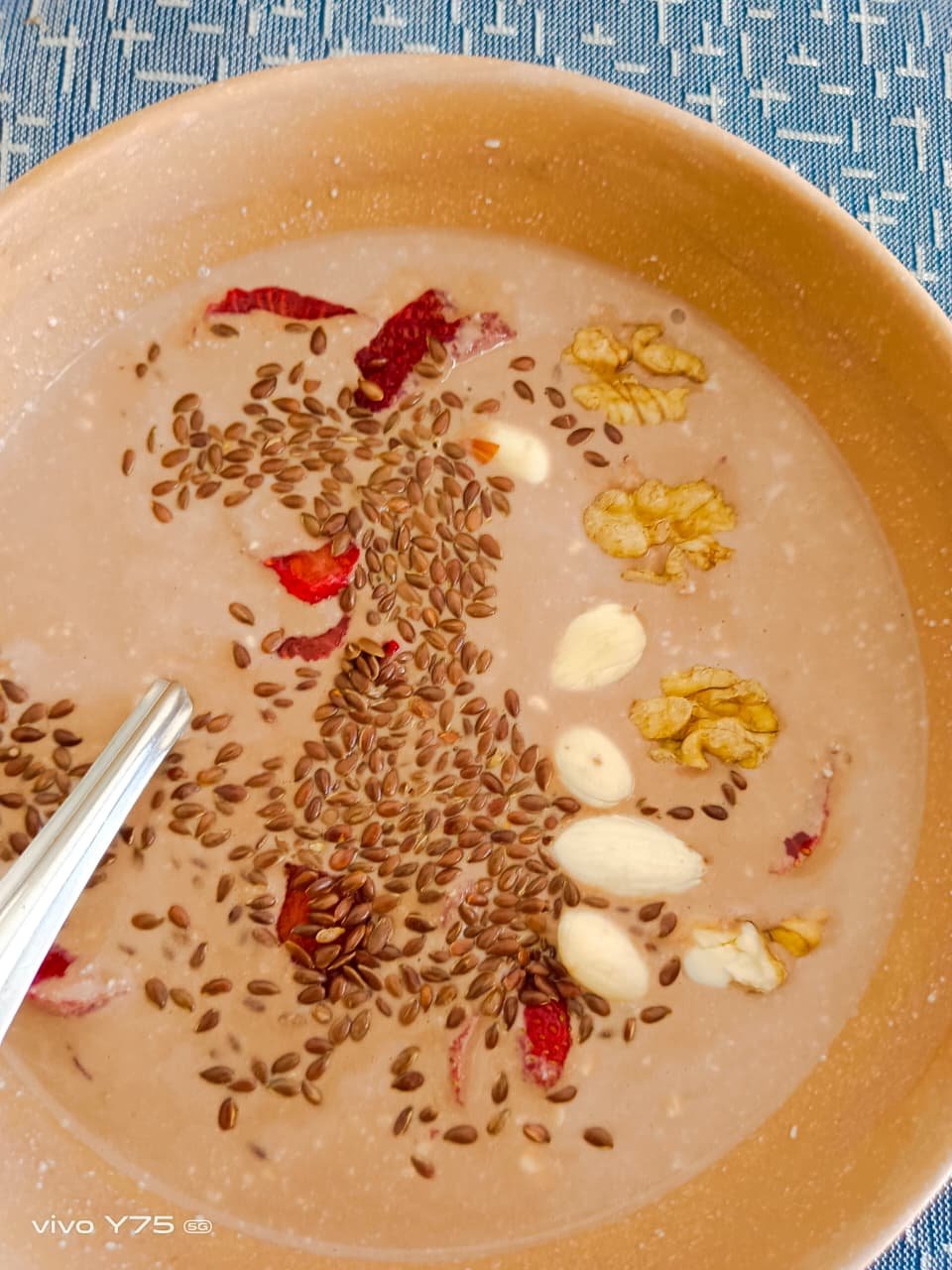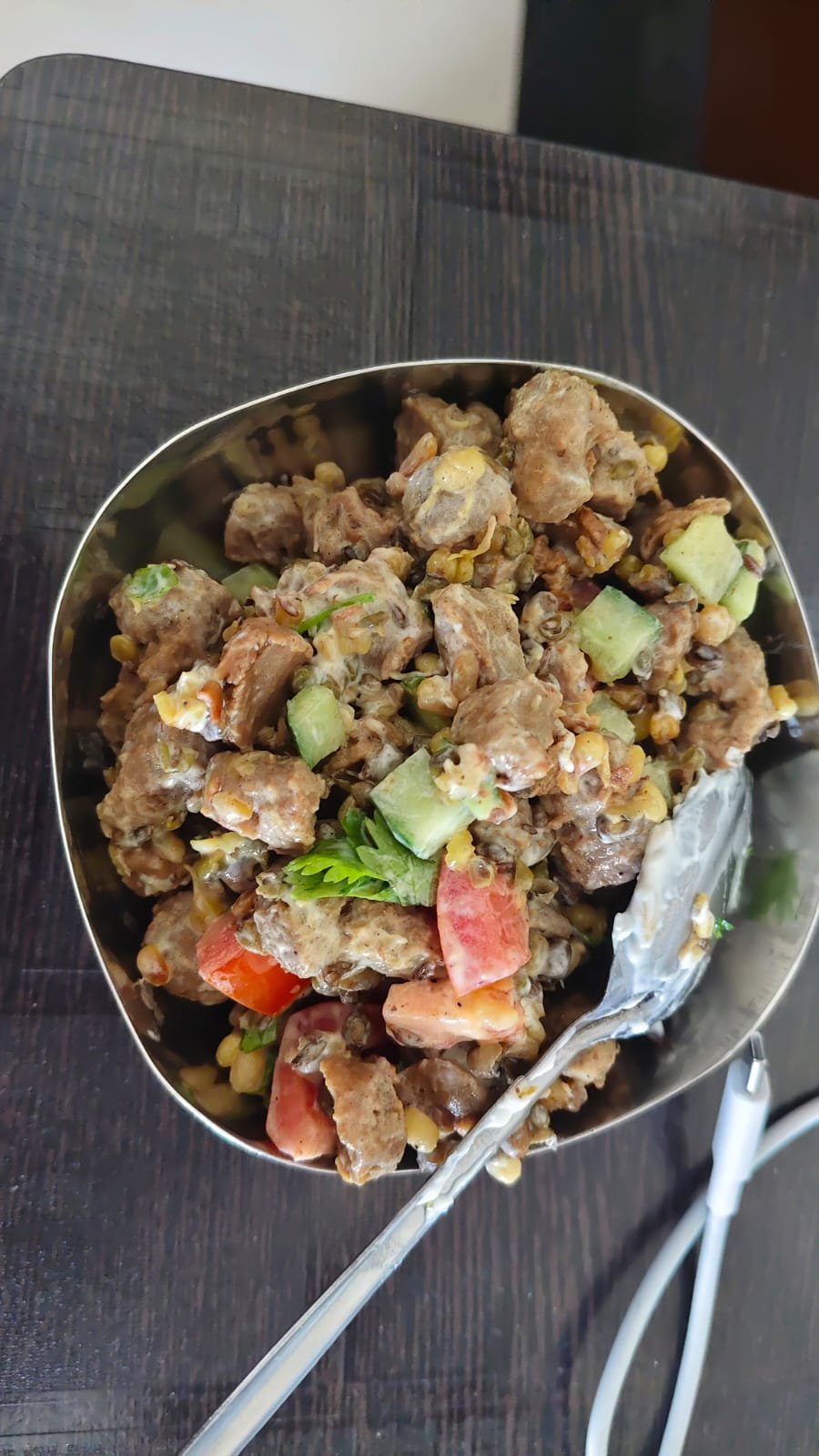
India is sometimes called the diabetes capital of the world, but the phrase misses something important. It is not Indian food that is the problem. It is how we have changed the way we eat it. The traditional Indian diet, whole grains, lentils, vegetables, spices and fermented foods, is inherently protective against diabetes. The shift toward refined grains, sugar, sedentary living and loss of traditional eating patterns is what has driven the diabetes epidemic. This article is a practical guide to managing diabetes and prediabetes using the Indian foods you already eat, in ways that are sustainable and effective.
The First Thing to Understand: It Is Not About Giving Up Carbohydrates
The most common mistake people make when diagnosed with diabetes is eliminating carbohydrates entirely. This is neither sustainable nor necessary. Indian meals have always been built around carbohydrates, roti, rice, dal, sabzi, and the goal is not to eliminate them but to choose the right ones, in the right portions, at the right times and in the right combinations.
The glycemic index of a food matters, but the glycemic load of your entire meal matters more. A meal that combines a moderate portion of rice with a generous serving of dal, sabzi, curd and salad produces a much lower blood sugar response than the same amount of rice eaten alone. This is because protein, fibre and fat all slow the absorption of carbohydrates. This combination eating is exactly how traditional Indian meals were designed.
Key Insight: Diabetes management through Indian food is not about restriction. It is about restoration, restoring whole grains, increasing lentils and vegetables at every meal, eating in the right sequence and returning to the eating patterns that kept diabetes rates low in India for generations.
The Best Indian Carbohydrates for Blood Sugar Control
Not all Indian carbohydrates affect blood sugar the same way. The difference between white rice and whole moong dal is enormous, even though both are carbohydrate-containing foods. The key is choosing carbohydrates with high fibre, moderate protein and slow digestion.
1. Millets, Ragi, Jowar, Bajra and Kuttu
Millets are the traditional grains of India that were largely replaced by refined wheat and white rice in the last century. They have substantially lower glycemic index than wheat or rice and provide magnesium, a mineral that directly improves insulin sensitivity and is commonly deficient in people with diabetes. Ragi roti or ragi porridge for breakfast, jowar bhakri for lunch and bajra roti in winter are practical ways to incorporate millets. For people accustomed to wheat rotis, start by mixing millet flour with wheat flour, 50 percent jowar and 50 percent wheat, and gradually shift the ratio toward more millet.
2. Whole Legumes, Rajma, Chhole, Chana, Whole Moong
Legumes are the most important carbohydrate source for diabetes management. They have the lowest glycemic index of any carbohydrate-rich food because their starch is encapsulated in fibre and they contain significant protein. A meal centred around rajma, chhole or whole moong with a smaller portion of rice or roti produces a much better blood sugar response than a meal where rice or roti is the main component.
3. Brown Rice and Parboiled Rice
If rice is a staple in your household and you cannot replace it entirely, brown rice or parboiled rice (sometimes called ukda chawal) are better alternatives to polished white rice. They have more fibre, a lower glycemic index and retain the B vitamins lost in polishing. The portion still matters, a small katori of brown rice surrounded by dal, sabzi and salad is very different from a large plate of white rice with minimal accompaniments.
The Indian Foods That Naturally Lower Blood Sugar
Certain Indian foods have direct, measurable effects on blood sugar through specific compounds they contain. These should feature regularly in meals for anyone managing diabetes or prediabetes.
Karela (Bitter Gourd)
Karela contains charantin, a compound with established blood sugar-lowering effects. It also contains polypeptide-p, an insulin-like compound. Karela juice on an empty stomach is a traditional remedy, but simply including karela sabzi in your meals twice a week provides meaningful benefit. The bitterness can be reduced by soaking sliced karela in salted water for 30 minutes before cooking.
Methi (Fenugreek)
Methi is one of the most researched Indian foods for diabetes. It slows carbohydrate absorption, improves insulin sensitivity and directly lowers fasting blood sugar. Methi seeds soaked overnight and consumed with the water in the morning is a simple, evidence-based practice. Methi thepla, methi in dal and methi paratha add methi to meals throughout the day.
Jamun (Indian Blackberry) and Its Seeds
Jamun fruit and particularly jamun seed powder contain jamboline, which prevents the conversion of starch to sugar during digestion. This means less sugar enters the bloodstream from the same meal. Jamun seed powder is available at most Ayurvedic stores and can be taken with water or buttermilk. The fruit itself, when in season, is an excellent low glycemic fruit for diabetes.
Amla (Indian Gooseberry)
Amla is exceptionally rich in Vitamin C and chromium, both of which support insulin function. The polyphenols in amla protect pancreatic beta cells from oxidative damage, which is directly relevant to preserving insulin production capacity in Type 2 diabetes. Amla juice, amla powder in water or fresh amla in season provides these benefits.
The Eating Sequence That Changes Blood Sugar Responses
The order in which you eat the foods on your plate has a significant effect on blood sugar response, even when the total food is exactly the same. Research has shown consistently that eating vegetables and protein first, followed by carbohydrates, results in lower post-meal blood sugar compared to eating carbohydrates first or mixing everything together.
For an Indian meal, this translates practically to: start with salad or sabzi, then eat dal, curd or protein, and finish with roti or rice last. This sequence allows the fibre and protein to slow gastric emptying before the carbohydrates arrive in the stomach. It is a simple, zero-cost intervention that meaningfully reduces post-meal blood sugar spikes.
Practical Habit: Start every Indian meal with whatever vegetable is on your plate, cooked sabzi, raw salad or both. Then move to dal, curd or any protein. Roti or rice comes last. The same food, the same amount, but a measurably better blood sugar response.
A Practical Day of Diabetes-Friendly Indian Eating
- Early Morning: Soaked methi water (1 tsp methi soaked overnight) or warm water with lemon and a pinch of dalchini. If blood sugar tends to be high in the morning, jeera water or methi water before any food helps.
- Breakfast: 1 ragi roti with methi thepla-style preparation and a bowl of curd. Or vegetable poha made with minimal oil, loaded with vegetables, peanuts and sprouts. Or 2 eggs with 1 multigrain roti and sauteed vegetables. Avoid breakfast cereals, white bread, maida-based items and fruit juices.
- Mid-Morning (if hungry): A small handful of almonds and walnuts (6 to 8 almonds, 2 walnuts). Or a bowl of papaya or guava, both are low glycemic fruits well-suited for diabetes.
- Lunch: Start with a bowl of cucumber-tomato kachumber or steamed vegetable salad. Then eat a generous portion of dal, moong, masoor or mixed dal, with 1 to 2 jowar or whole wheat rotis. Include a portion of sabzi, preferably leafy greens like palak or methi. A bowl of unsweetened curd or chaas. If having rice, a small katori of brown rice instead of roti, always with adequate dal and sabzi.
- Evening Snack: Roasted chana with a sprinkle of chaat masala. Or a bowl of sprouted moong chaat with onion, tomato and lemon. Or makhana roasted with minimal ghee and haldi. Avoid biscuits, namkeen, samosa and packaged snacks entirely if blood sugar control is the priority.
- Dinner (lighter, earlier): 1 multigrain roti with dal and sabzi. Or vegetable dal khichdi made with brown rice and moong dal. Dinner should be the lightest meal of the day and should be finished at least 2 to 3 hours before sleep. Walking for 10 to 15 minutes after dinner significantly improves overnight blood sugar.
Foods That Demand Extra Caution with Diabetes
Some Indian foods, while culturally central, require particular attention when managing diabetes because they have a disproportionately large effect on blood sugar relative to their volume.
- White Rice in Large Portions: A single large plate of white rice can contain 60 to 80 grams of rapidly absorbed carbohydrates with minimal fibre. Reduce portion, switch to brown or parboiled rice, and always surround it with dal, sabzi and salad.
- Potato in Any Form: Aloo sabzi, aloo paratha, samosa, batata vada, potato has a very high glycemic index and is often combined with maida or refined flour in snacks. Potato is not forbidden but should be in small portions, always with the skin when possible, and combined with other vegetables.
- Fruit Juices Including "Fresh" Juice: The juicing process removes fibre and concentrates sugar. An entire glass of orange juice requires 3 to 4 oranges worth of sugar without any of the fibre that would slow its absorption. Eat whole fruits instead.
- Biscuits Marketed as "Diabetic Friendly" or "Sugar Free": These products replace sugar with artificial sweeteners but are still made from refined flour and fat. They raise blood sugar through the maida content regardless of the absence of sugar. A handful of nuts or roasted chana is genuinely better.
Working with Dr. Gopal Jaju for Medical-Dietary Diabetes Management
Diabetes management requires both medical and nutritional expertise working together. At NutriEat, our diabetes and obesity program is designed to work alongside your physician's medical management. For clients who need combined medical and nutritional diabetes care, I collaborate with Dr. Gopal Jaju, Consultant Physician and Diabetologist at City Vista, Kharadi, Pune. Dr. Jaju brings his MD in General Medicine with experience at Lilavati Hospital and Nanavati Hospital, while I provide the personalised Indian food-based nutrition plan. This ensures your medications, blood sugar monitoring and diet are all aligned toward the same goal.